

The moment your baby takes their first shuffle across the floor is one of those magical milestones that fills every parent's heart with joy and, quite honestly, a small wave of anticipation. A crawling baby is an exploring baby, and while that curiosity is wonderful to watch, it also means your home is about to be seen through completely new eyes. Suddenly, the cable trailing behind your television, the low kitchen cabinet, and the corner of the coffee table all become potential hazards worth addressing. The good news is that a little preparation goes a long way. This guide walks you through the most important steps to childproof your home room by room, covering everything from electrical safety to European product standards, so you can feel confident and calm as your little one discovers the world around them.
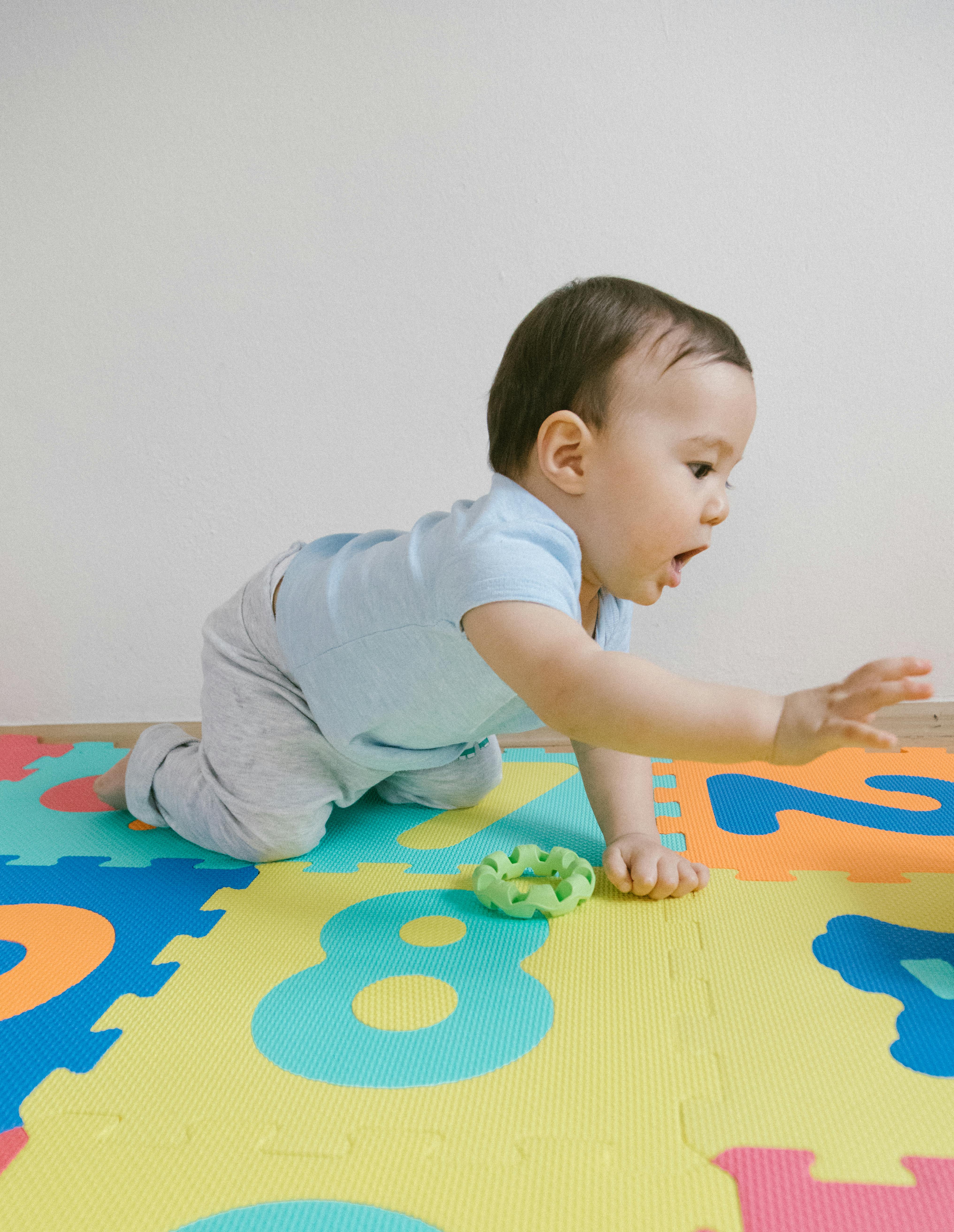
When Do Babies Start Crawling?
Most babies begin crawling somewhere between six and ten months of age, though there is a wide range of what is considered typical. Some babies skip traditional hands-and-knees crawling altogether, opting for bottom-shuffling, rolling, or moving straight from sitting to pulling themselves up to stand. The NHS notes that once babies learn to crawl, they may also try to climb onto furniture like sofas, which increases the risk of falls. Whether your baby is a classic crawler or a creative mover, the key is to begin making your home safer before they become mobile, rather than reacting after the first tumble.
See Your Home Through Your Baby's Eyes
One of the most helpful things you can do is get down on your hands and knees and look around your home from floor level. This simple exercise, widely recommended by childproofing experts and paediatricians alike, reveals dangers that are completely invisible when you are standing at adult height. You will notice loose electrical cables, the sharp metal leg of a dining chair, and the tempting contents of a low cupboard that you had never given a second thought. From your baby's perspective, every low surface is an invitation to explore. Taking this floor-level tour once a month as your baby grows and becomes more capable is a practical habit that keeps your safety checks current.
Living Room Safety for Crawling Babies
The living room is typically where babies spend most of their time, and it tends to be full of hazards that are worth addressing before crawling begins.
Furniture with sharp edges and corners is one of the most common sources of head injuries in crawling and newly walking babies. Foam corner protectors attach easily to coffee tables, television units, and bookshelves, and they make a real difference. If you have a low glass-topped coffee table, consider replacing it temporarily with a soft ottoman or simply removing it from the space while your baby is at the crawling stage.
Television cables, speaker wires, and phone chargers left at floor level are both a strangulation and tripping hazard. Use cable management boxes or tuck cables firmly behind furniture. Freestanding bookshelves and cabinets should be anchored to the wall to prevent them from tipping if your baby pulls on them.
A key element of living room safety is giving your baby a clearly defined, cushioned space to explore freely. A soft, generously sized play mat provides both physical protection and sensory stimulation. The HelloLoomi Foam Puzzle Playmat is a beautifully designed option created with crawling babies in mind, offering thick foam padding that absorbs the bumps and tumbles that come with learning to move.

Kitchen Safety
The kitchen presents some of the most serious hazards in the home, and many experts recommend using a safety gate to keep crawling babies out of the kitchen entirely when cooking is in progress.
If your baby does have access to the kitchen, lock all low cupboards that contain cleaning products, washing capsules, or anything sharp. The NHS advises that liquid laundry and dishwasher capsules are particularly dangerous as they can cause chemical burns and poisoning if swallowed. Storing them high up and out of reach is the safest approach.
When cooking, always turn saucepan handles towards the back of the hob so a curious hand cannot pull them down. Use the rear rings wherever possible. Hot drinks are another significant hazard: a cup of tea or coffee can still scald a baby's delicate skin up to fifteen minutes after being made. Always place hot drinks on a high surface and never hold one while holding your baby.
Safety gates that comply with the European standard BSEN 1930:2011 should be fitted at kitchen doorways if you want to create a reliable barrier. Look for the CE mark and the relevant safety standard on the packaging before purchasing any gate.
Bathroom Hazards to Address
The bathroom contains risks that are serious enough to deserve careful attention. The NHS states that babies can drown in as little as five centimetres of water, and drowning is often silent, meaning there is no splashing or crying to alert you. Never leave your baby alone in the bath, not even for a moment, even if an older sibling is present.
Empty the bath immediately after use. If you use a baby bath seat, remember that it is a positioning aid and not a safety device: you still need to stay within arm's reach at all times.
Medicines are the most common cause of poisoning admissions in children under five across the UK and Europe. Keep all medications, vitamins, and topical creams in a locked cabinet or stored well out of reach. Child-resistant lids slow children down but are not childproof, so physical inaccessibility is the safest approach.
Nursery and Bedroom Safety
The nursery itself is worth reviewing as your baby becomes more mobile. Remove cot toys and cot bumpers once your baby can push up or roll, as these can become unintentional climbing aids that lead to falls over the cot rail.
Keep blind and curtain cords secured high up on a cleat hook. The Royal Society for the Prevention of Accidents (RoSPA) has documented cases of child strangulation from unsecured blind cords, and European regulations now require child safety devices on all new window blinds sold in the EU. If your blinds are older, installing a cleat hook is a straightforward and essential fix.
When your baby is having supervised floor time in the nursery or bedroom, a supportive activity mat creates a safe and stimulating environment. The HelloLoomi Activity Play Mat with Arches (Mr. Lion) combines tummy time support with hanging toys and a well-padded surface, making it a thoughtful centrepiece for your baby's daily floor play.

Stairs, Hallways, and Access Points
Safety gates are essential at both the top and bottom of stairs as soon as your baby begins crawling. The NHS recommends continuing to use gates until your child is at least two years old. For the top of the stairs, choose a gate that meets BSEN 1930:2011 and is designed for screw-fixing rather than pressure mounting, as this provides greater security at the most critical location in the home.
Hallways often hold a surprising collection of hazards at floor level: shoes, bags, and coats frequently contain small items like coins, buttons, and earrings that can pose serious choking risks. A quick daily sweep of the hallway floor is a simple but effective habit. Door stoppers that cover door hinges prevent small fingers from being trapped as doors swing open and closed.
Understanding European Baby Product Safety Standards
For parents in the Netherlands, Germany, Belgium, Scandinavia, and across Northern Europe, it is reassuring to know that the EU maintains some of the most rigorous product safety standards in the world. The CE mark on baby products and toys indicates that the product meets European health and safety requirements under relevant EU directives.
For toys and play equipment, the EN 71 standard covers mechanical and physical safety including sharp edges and small parts, flammability, and the migration of potentially harmful chemical substances. When buying toys or play equipment for your crawling baby, always check for the CE mark and ensure the age grading is appropriate. Products marked as suitable from birth or from three months have been designed and tested with the safety of very young babies specifically in mind.
For safety gates, BSEN 1930:2011 is the key standard to look for on the packaging. Gates meeting this standard have been tested for structural integrity and for the size of any gaps, ensuring that a baby's head cannot become trapped. Choosing products that meet these standards gives parents across the EU confidence that their choices are backed by independent safety testing.
Creating a Dedicated Safe Play Zone
Rather than trying to childproof every corner of every room all at once, many families find it helpful to create one dedicated, well-prepared play zone where their baby can explore freely and safely. This can be a gated corner of the living room or a designated area in the nursery.
A soft, padded floor surface is the foundation of any safe play zone. Whether you choose an interlocking foam puzzle mat or a larger padded activity mat, the cushioning protects your baby from the bumps that come with learning to move. Natural light, a small selection of age-appropriate toys at floor level, and clear sightlines so you can always see your baby all contribute to a space that is both safe and genuinely enjoyable for the whole family.
Moving Forward With Confidence
Childproofing your home is not about wrapping everything in bubble wrap or living in a state of anxiety. It is about making thoughtful, practical adjustments that give your crawling baby the freedom to explore and learn while reducing the risk of the accidents that are most common and most preventable. Taking it room by room, as this guide has outlined, makes the process manageable rather than overwhelming, and gives you the peace of mind to enjoy every precious moment of this exciting developmental stage.
At HelloLoomi, we design products with both safety and beauty in mind, because we believe your home should feel welcoming and your baby should feel free to explore it. Browse our range of play mats, activity mats, and developmental toys to find the pieces that will support your baby through every stage of their journey, from first tummy time sessions to confident, joyful crawling.
Frequently Asked Questions
When should I start childproofing my home before my baby starts crawling?
It is best to begin childproofing at least four to six weeks before you expect your baby to start crawling, which is typically around the four to five month mark. Babies can become mobile earlier than expected, so having safety gates, corner protectors, and cabinet locks in place before your baby reaches six months gives you a comfortable margin of preparation.
How do I know if a safety gate meets European safety standards?
Look for the CE mark on the packaging along with the standard number BSEN 1930:2011, which is the European standard specifically for safety barriers and safety gates for domestic use. A gate bearing this mark has been independently tested for structural strength and for the size of any gaps, ensuring it provides reliable protection at stairs and doorways.
What are the most dangerous hazards for a crawling baby at home?
The most serious hazards for crawling babies include falls on stairs or from furniture, drowning in baths or garden ponds, poisoning from medicines or cleaning products left within reach, burns from hot drinks or cooking surfaces, and choking on small objects at floor level. Addressing these five categories as a priority will significantly reduce the most common risks faced by babies aged six to twelve months.
Is a foam play mat safe for a crawling baby?
Yes, a high-quality foam play mat is one of the safest and most beneficial additions to your baby's play environment. Look for mats that are BPA-free and free from harmful chemicals, and check that they carry relevant safety certifications. The HelloLoomi Foam Puzzle Playmat is designed to provide cushioning against tumbles while giving your baby a soft, supportive surface to practise crawling, rolling, and sitting up.
What should I do about blind cords now that my baby is starting to crawl?
All blind and curtain cords in your home should be tied up and fastened securely to a wall-mounted cleat hook so that no loop hangs within reach of your baby. RoSPA recommends that the cord or chain is kept taut and fixed out of reach at all times. European regulations introduced from 2022 onwards require child safety devices on new window blinds sold in the EU, but older blinds in your home may need retrofitting with a cleat hook.
Do I need to lock every cupboard in the kitchen once my baby starts crawling?
You do not necessarily need to lock every cupboard, but any cupboard containing cleaning products, medications, sharp tools, or small items must be secured with a child safety lock. Many parents choose to leave one low cupboard unlocked and fill it with safe items like plastic containers or wooden spoons, giving their baby a satisfying place to explore while keeping hazardous cupboards completely off limits.
How can I create a safe play space for my crawling baby at home?
The most effective approach is to designate one clearly defined area of your home as your baby's main play zone. Start with a large, cushioned play mat as the base, add a small selection of age-appropriate toys, ensure the area is enclosed by a safety gate or a wall, and check that there are no cords, cables, sharp edges, or small objects within reach. The HelloLoomi Activity Play Mat with Arches is a great choice for this kind of dedicated play space, combining tummy time support with hanging sensory toys to keep your baby engaged and comfortable.


