

How to Introduce Allergenic Foods to Your Baby: A Complete Guide for Parents
If you are a new parent in the Netherlands, Germany, Belgium, Norway, Sweden, Denmark, or Luxembourg, you may have heard conflicting advice about when and how to introduce foods like peanuts, eggs, and fish to your baby. For many years, parents were told to wait and avoid giving babies common allergens until they were much older. Today, the science tells a very different story. Research from across Scandinavia, the UK, and beyond now clearly shows that introducing allergenic foods early and regularly during infancy is one of the most effective tools parents have for reducing the risk of food allergies. This guide will walk you through everything you need to know, from understanding the research to practical advice for introducing allergens safely and confidently.
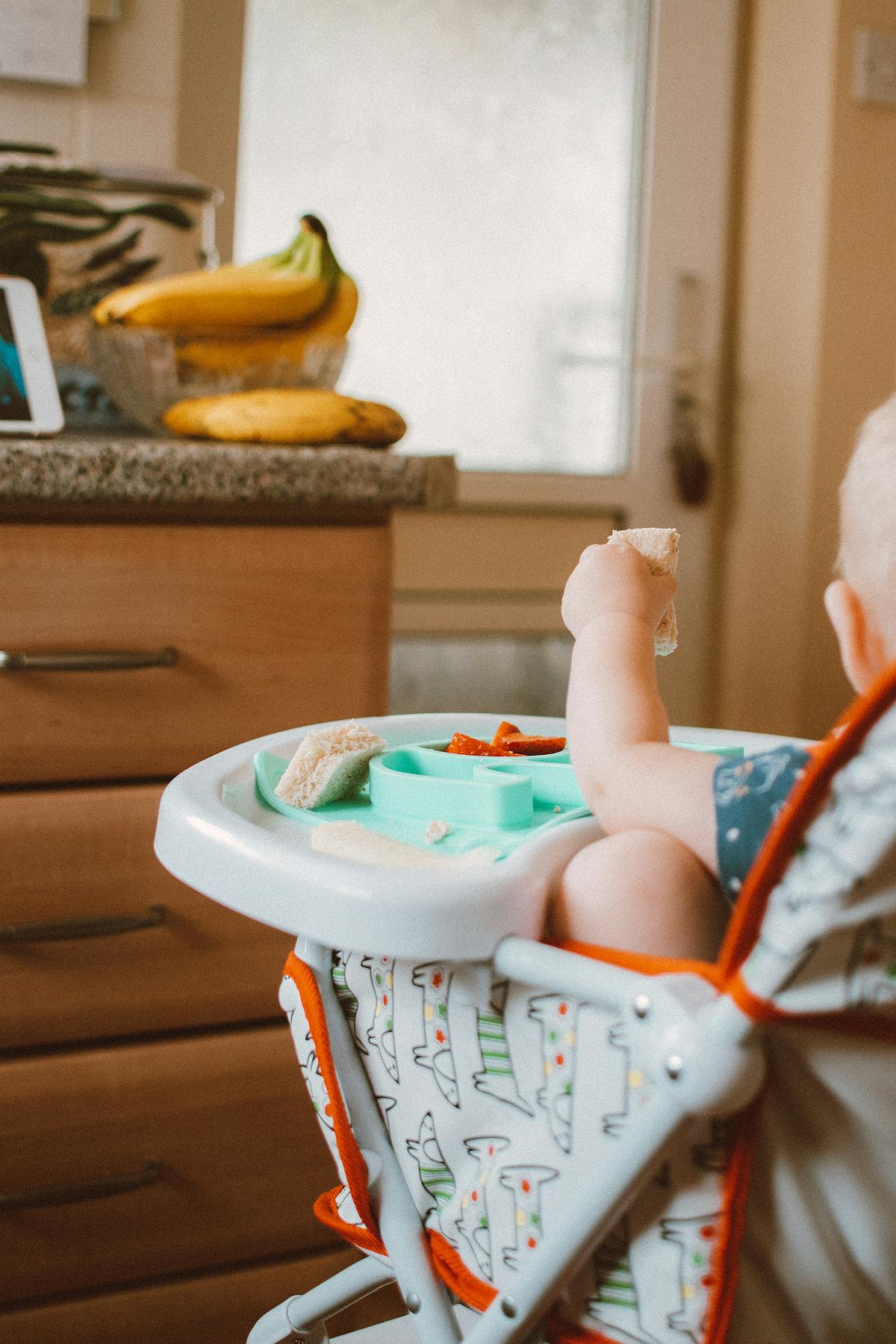
Why Early Allergen Introduction Matters
The shift in guidance over recent years has been significant. Before around 2015, health professionals in many European countries recommended that parents delay introducing highly allergenic foods such as peanuts, tree nuts, eggs, and fish until after a baby's first birthday. The thinking was that a young infant's immune system might not be ready, and that early exposure could trigger an allergy. Landmark research studies have since turned that reasoning completely around.
The LEAP study, which stands for Learning Early About Peanut Allergy, was one of the first major clinical trials to demonstrate that introducing peanut products to high risk infants between four and six months of age reduced the prevalence of peanut allergy at age five by more than 80 percent compared to infants who avoided peanut products until after their first birthday. This finding was groundbreaking and led to a major revision in guidance from allergy organisations around the world.
The PreventADALL study, a large randomised trial conducted at Oslo University Hospital and Karolinska University Hospital in Stockholm, reinforced these findings in a general infant population, not only babies considered at high risk of allergy. The researchers found that introducing common allergenic foods from around age three months as part of complementary feeding was associated with a reduction in food allergy at 36 months of age. This was an important confirmation that early introduction benefits all babies, regardless of family history.
What the European Academy of Allergy and Clinical Immunology Recommends
The European Academy of Allergy and Clinical Immunology, known as the EAACI, published guidance stating that the most effective window for introducing egg and peanut is from four to six months of age. These recommendations apply to all infants, not only those with a family history of allergy. Crucially, the EAACI guidelines also state that there is no benefit in actively delaying the introduction of any allergenic food. If your baby is ready for solid foods, allergenic foods can and should be part of those early experiences.
In Sweden, updated infant feeding guidelines have been linked to measurable changes in parenting behaviour, with more Swedish families now introducing allergenic foods earlier during infancy. In Norway, national guidance states that there is no need to delay the introduction of nuts or other common allergens. Parents across Northern Europe are increasingly aware of this shift, though many still feel uncertain about how to put it into practice at home.
Which Foods Are the Most Common Allergens for Babies?
The most common food allergens in infants and young children are peanuts, tree nuts, eggs, cow's milk, wheat, soy, fish, and shellfish. In Europe, sesame is also recognised as a significant allergen and is listed alongside these foods in EU allergen labelling regulations. Of these, peanut and egg allergies are among the most common in young children, and both have been the subject of the most robust research on early introduction.
Cow's milk allergy in infants is also relatively common in the Netherlands, Germany, and Scandinavia. Formula fed babies may sometimes show reactions to standard cow's milk formula. If you are breastfeeding, current guidelines do not recommend that you eliminate any foods from your own diet as a preventive measure. Breast milk does not need to be allergen free in order to be safe for your baby.
When Is Your Baby Ready to Start Solid Foods?
Most health organisations, including the World Health Organisation, recommend starting complementary foods at around six months of age. However, some guidelines allow for a start as early as four months if there are clear signs of developmental readiness, particularly for babies with eczema or other existing allergy risk factors. Signs that your baby may be ready include sitting up with support, showing interest in what you are eating, being able to hold their head steady, and no longer reflexively pushing food out of their mouth with their tongue.
It is important not to start solids before four months of age regardless of circumstances, as a very young infant's gut and airway are not yet fully developed enough to handle solid foods safely. If you are unsure whether your baby is ready, speak with your paediatrician, consultatiebureau (in the Netherlands), or Kinderarzt (in Germany), who can assess your individual baby's development.
How to Introduce Allergenic Foods Safely, Step by Step
Introducing allergens does not need to be stressful. With a little preparation and a calm approach, it can become a natural part of starting your baby on solid foods. Here is a practical framework to guide you through the process.
Introduce One Allergen at a Time
Start with one new allergenic food and wait two to three days before introducing another. This way, if your baby does have a reaction, you will be able to identify which food caused it. There is no universally agreed order in which to introduce allergens, but peanut and egg are often recommended as early priorities given the strength of the evidence behind them.
Choose the Right Time of Day
Introduce a new allergen in the morning or early afternoon, not just before bedtime. This gives you several hours to observe your baby and, if needed, to contact your doctor or seek medical attention during normal working hours. Avoid introducing new allergens when your baby is unwell, as it can be harder to distinguish an allergic reaction from symptoms of illness.
Start with a Very Small Amount
Begin with a tiny portion, such as one eighth of a teaspoon of smooth peanut butter stirred into your baby's usual puree, or a small taste of well cooked egg mixed with another food your baby already tolerates. If there is no reaction after a few minutes, you can gradually offer a little more over subsequent feeds. Whole peanuts and large pieces of nut are choking hazards and must never be given to babies or young toddlers.
Keep Up Regular Exposure
Once you have successfully introduced an allergen without a reaction, it is important to keep offering it regularly, at least twice a week. Research shows that consistent, ongoing exposure is what maintains tolerance over time. Simply introducing a food once and then not offering it again for several months may not provide the same protective effect.
Having the right setup at mealtimes can make this whole process far more enjoyable for both you and your baby. The HelloLoomi Transformable Kitchen Tower and High Chair Combo brings your baby right to your level at the kitchen counter or table, making mealtimes a shared, sociable experience from the very first tastes.

Recognising an Allergic Reaction in Your Baby
Most babies will tolerate allergenic foods without any problem at all. However, it is sensible to know what signs to look out for. Mild to moderate allergic reactions may include hives or a rash around the mouth, reddening of the skin, a runny nose, watery eyes, or vomiting shortly after eating. These symptoms typically appear within minutes to a couple of hours after the food is consumed.
A severe allergic reaction, known as anaphylaxis, is rare but is a medical emergency. Signs of anaphylaxis include swelling of the lips, tongue, or throat, difficulty breathing, wheezing, a sudden drop in energy or consciousness, or widespread hives appearing very quickly across the body. If you observe any of these signs, call the emergency services immediately. In the Netherlands, Germany, Belgium, and across Scandinavia, the emergency number is 112.
If your baby has a mild reaction, contact your doctor or paediatrician before offering the food again. Do not reintroduce the food at home without professional guidance if a reaction has already occurred.
A Note on Family History and Existing Allergies
Many parents in Northern Europe worry that because they or an older sibling have a food allergy, their new baby is automatically at high risk and should avoid certain foods. While it is true that a family history of allergy increases statistical risk to some degree, current evidence does not support delaying allergen introduction for these babies. In fact, early introduction is considered especially beneficial for babies with eczema or a family history of atopic conditions, as delaying has been shown to increase the risk of developing allergy, not reduce it.
If your baby has severe eczema or an existing confirmed food allergy, it is worth speaking to a paediatric allergist before beginning allergen introduction at home. For most babies, however, your regular health visitor, consultatiebureau nurse, or paediatrician can guide you comfortably through the process.
Making Mealtimes Easier and More Enjoyable
Starting solids is one of the most exciting milestones in a baby's first year, and being well prepared helps enormously. Keeping a bib on hand means fewer outfit changes after every enthusiastic tasting session. The HelloLoomi Bib 3-pack in the Rosy Rabbit design comes as a set of three soft, absorbent bibs that are gentle on your baby's skin and easy to keep clean through all those messy early mealtime adventures.

Breastfeeding, Formula, and Allergen Exposure
One question many parents have is whether breastfeeding affects how allergens should be introduced. Current European guidelines are clear that breastfeeding mothers do not need to avoid allergenic foods from their own diets. Breastfeeding is beneficial for many reasons, but it does not replace the need to directly offer your baby allergenic foods once they are ready for solids. Whether your baby is breastfed, formula fed, or receiving a combination of both, the timing and approach to allergen introduction is essentially the same.
If you are using a hypoallergenic or extensively hydrolysed formula because your baby has already shown a reaction to cow's milk, discuss allergen introduction with your doctor before proceeding, as your baby's situation will require individual assessment and guidance.
Taking the First Step with Confidence
The science is clear and the message for parents is genuinely encouraging: introducing allergenic foods early and consistently is one of the most positive steps you can take to support your baby's long term health. You do not need to fear peanuts, eggs, fish, or other common allergens. With good information and a calm, relaxed approach, mealtimes become a wonderful opportunity for exploration, connection, and protection all at once. At HelloLoomi, we believe that every small moment of care you invest in your baby's earliest experiences makes a lasting difference. Whether you are setting up a nurturing feeding space or finding tools that make daily routines easier and more enjoyable, we are here to support you every step of the way.
Frequently Asked Questions
When can I start introducing allergenic foods to my baby?
Most babies can begin trying allergenic foods such as peanut, egg, and fish as soon as they start solid foods at around four to six months of age. Current European and international guidelines recommend not waiting until after the first birthday, as early introduction is linked to a lower risk of developing food allergies. Always ensure your baby shows signs of developmental readiness before starting any solid foods.
Can I introduce allergens to my baby while I am still breastfeeding?
Yes, you can introduce allergenic foods to your baby regardless of whether you are breastfeeding. Current guidelines do not recommend that breastfeeding mothers avoid allergenic foods from their own diet as a preventive measure. Early and direct introduction of allergens to your baby is beneficial whether they are breastfed, formula fed, or a combination of both.
What are the most important allergenic foods to introduce to my baby first?
The allergens with the strongest research evidence for early introduction are peanut and egg. Other important allergens to introduce during infancy include cow's milk in food form such as yoghurt, wheat, fish, tree nuts in smooth forms, soy, and sesame. Introducing these foods individually and continuing to offer them regularly at least twice a week is the recommended approach for building and maintaining tolerance.
How do I know if my baby is having an allergic reaction to a new food?
Signs of a mild allergic reaction in babies include hives, redness around the mouth, a rash on the skin, runny nose, or vomiting within a couple of hours of eating. A severe reaction called anaphylaxis may include swelling of the lips or throat, difficulty breathing, wheezing, or sudden drowsiness and is a medical emergency. If you see severe symptoms, call 112 immediately.
My older child has a peanut allergy. Should I still introduce peanut to my new baby?
A sibling with a peanut allergy does slightly increase your new baby's statistical risk, but it is not a reason to delay introduction on its own. Current guidance supports early introduction even for babies with a family history of allergy, as delaying has not been shown to be protective. It is worth speaking with a paediatric allergist or your regular paediatrician before the first introduction so they can advise based on your specific family situation.
How often do I need to give my baby an allergenic food once I have introduced it?
Once an allergenic food has been successfully introduced without any reaction, you should continue offering it regularly, ideally at least twice a week. Consistent, ongoing exposure is what helps maintain your baby's tolerance to the food over time. Introducing a food once and then not offering it again for several weeks or months may reduce the protective effect that early introduction provides.
What equipment do I need when I start introducing my baby to solid foods?
A safe, supportive seat is one of the most important pieces of equipment for starting solids. Your baby needs to be sitting upright with good head control to eat safely. A high chair or ergonomic feeding setup such as the HelloLoomi Transformable Kitchen Tower and High Chair Combo keeps your baby comfortable and close to you at mealtimes. A set of soft, easy to clean bibs such as the HelloLoomi Bib 3-pack will also quickly become essential for every feeding session.


