

The Pincer Grasp: What It Is, When It Develops, and How to Help Your Baby Thrive
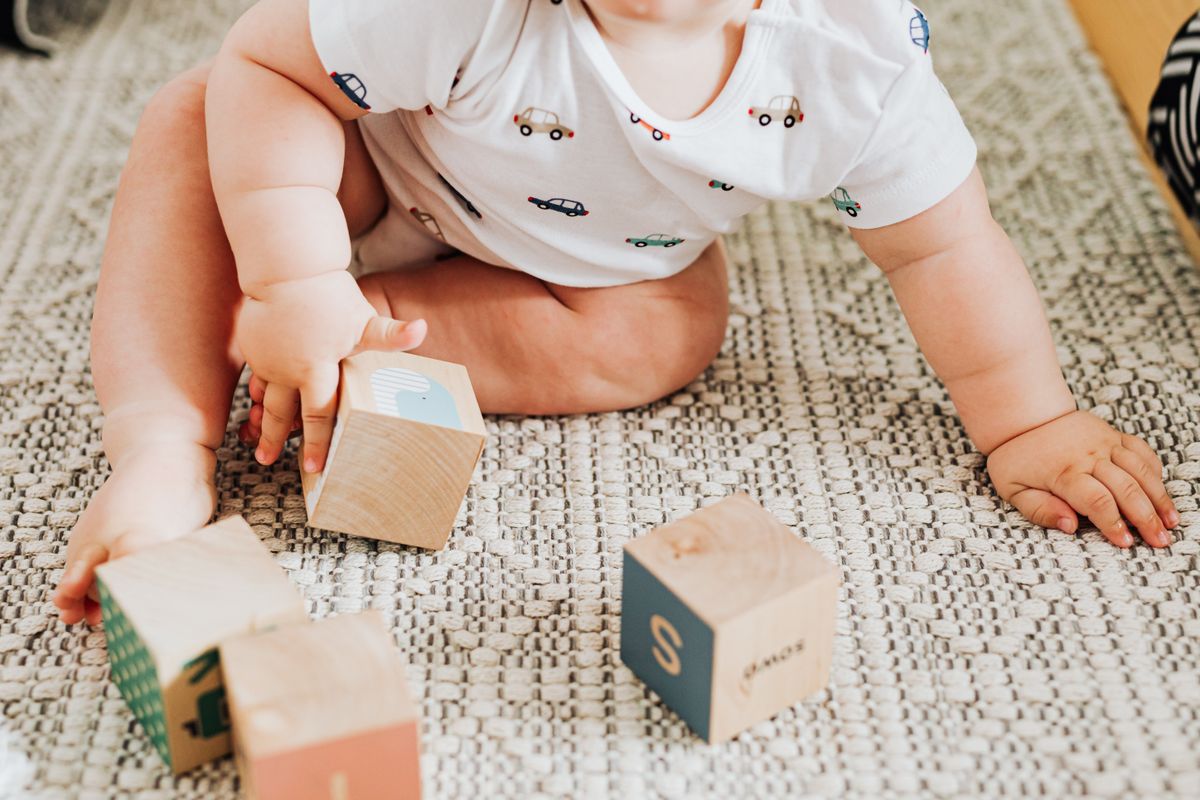
Photo via Pexels
One day, your baby is swiping at objects with their whole fist. Then, almost overnight, they are reaching out with just two tiny fingers to pick up a single pea from their highchair tray. This is the pincer grasp in action, and it is one of the most significant fine motor milestones your baby will reach in their first year of life. If you have been wondering when to expect this skill, how to encourage it at home, or what to do if development seems a little slow, you are in exactly the right place. This guide covers everything parents need to know about the pincer grasp, from the earliest raking movements to the precise fingertip grip that sets the stage for a lifetime of fine motor skill.
What Exactly Is the Pincer Grasp?
The pincer grasp is the ability to pick up or hold a small object using the tip of the thumb and the tip of the index finger. It is what allows your baby to retrieve a single blueberry from a tray, turn the pages of a board book, and eventually hold a crayon with purpose and control. Paediatric occupational therapists describe this precise two finger grip as one of the most important precursors to handwriting, self feeding, and a wide range of everyday life skills.
Before reaching this stage, babies progress through a series of earlier grasping patterns. A newborn arrives with a powerful palmar reflex, automatically closing the whole hand around anything placed in the palm. From around four to six months, babies begin to use the palmar grasp intentionally, raking objects toward themselves using all their fingers at once. The pincer grasp requires far more refined coordination between the brain and the small muscles of the hand, which is why it tends to emerge later in the first year of life.
The Stages of Grasp Development
Understanding the full arc of grasp development can help you appreciate just how much your baby has already achieved by the time those tiny fingers form their first pinch.
The Raking Grasp: Around 6 Months
At around six months, most babies begin using what is called the raking grasp, curling all their fingers inward to sweep small objects toward themselves. You will often see this appear at mealtimes when soft finger foods are introduced for the first time. The raking grasp is completely normal at this age and is a natural stepping stone toward greater precision in the months ahead.
The Inferior Pincer Grasp: Around 9 to 10 Months
By around nine months, many babies begin showing an early version of the pincer grasp, sometimes called the inferior or immature pincer grasp. At this stage, the baby uses the pads of the thumb and index finger rather than the very tips. The grip is functional but not yet fully refined. This is a wonderful sign that the fine motor pathways in the brain are maturing well and that the superior grasp is not far away.
The Superior Pincer Grasp: Around 11 to 12 Months
The mature or superior pincer grasp, in which the baby uses the very tips of the thumb and forefinger to pinch small objects with genuine precision, typically develops between 11 and 12 months of age. Some babies may achieve this milestone as early as nine months, while others may not demonstrate it clearly until around 15 months. Both ends of this range are considered within normal development, and individual variation is entirely expected.
Why the Pincer Grasp Matters Far Beyond the Highchair
Parents often first notice the pincer grasp emerging at mealtimes, but its significance extends far beyond picking up food. Occupational therapists and paediatric development specialists describe this skill as a foundational ability that underpins many of the tasks children engage in throughout early childhood and beyond.
A well-developed pincer grasp supports self feeding with utensils, buttoning clothing, drawing and painting, using scissors, turning a key, and typing on a keyboard. Children who struggle with fine motor precision in the early years can sometimes face challenges in school settings, particularly when it comes to handwriting. This is precisely why paediatricians and health visitors across the Netherlands, Germany, Scandinavia, and Belgium routinely check for pincer grasp development as part of standard developmental reviews at around nine to twelve months of age.
The skill is also deeply connected to cognitive development. When your baby picks up a small object and examines it closely, they are not only exercising their fingers. They are also engaging their curiosity, practising hand eye coordination, and building an understanding of size, weight, and texture. Each small pinch is a tiny experiment in understanding the physical world.
How to Encourage the Pincer Grasp at Home
The good news is that you do not need specialist equipment or formal exercises to help your baby develop this skill. Some of the most effective activities are things you are probably already doing, or can easily weave into your daily routine without any extra effort.
Make Mealtimes a Fine Motor Workout
Introducing soft, small finger foods during mealtimes is one of the most natural ways to encourage pincer grasp practice. Softly cooked vegetables, small pieces of ripe fruit, cooked pasta shapes, and age-appropriate cereals all work beautifully. Paediatric feeding specialists note that it is through the experience of self feeding that the pincer grasp most often emerges and strengthens. You do not need to wait for a perfect pincer grasp before introducing finger foods; the two develop together in a natural, reciprocal way.
Placing a few pieces of food in a small container or on a tray with slight indentations can encourage your baby to work harder to retrieve each piece, naturally promoting a more refined grip as they practise. The mess is very much part of the process, and deserves to be celebrated rather than avoided.
Choose Toys That Reward Precise Finger Use
Shape sorting toys are among the most effective tools for encouraging fine motor development in babies and young toddlers. When a baby picks up a small wooden shape and attempts to post it through the correct hole, they are using precisely the same pinching, positioning, and releasing movements that define the mature pincer grasp.
The HelloLoomi Wooden Shape Sorting Blocks in Colors are a lovely option for this stage. Made from safe, natural materials and available in warm, engaging colors, these blocks invite babies to reach, grip, and place with increasing precision. The variety of shapes encourages babies to rotate and examine each piece before finding the right match, adding a layer of cognitive challenge that beautifully complements the motor practice.

Stacking and Building Play
Simple wooden blocks are another excellent tool for developing the pincer grasp and broader hand strength. Stacking requires a baby to grip each block deliberately, position it carefully, and release it with a degree of control. The moment they feel a tower wobble and fall is also a wonderful introduction to cause and effect, keeping babies engaged and motivated to try again.
Building play is most rewarding when blocks are varied in size, allowing babies and young toddlers to experiment with different grip widths as their skills grow. The HelloLoomi Wooden Blocks in a Box, 30 Piece Natural Set are made from sustainably sourced wood and come in a variety of shapes, making them ideal for babies from around nine months onward as they begin to explore stacking, sorting, and creative building. The natural wood finish is free from paint and chemical coatings, which matters when babies are still exploring everything with their mouths as well as their fingers.

Floor Play and Tummy Time From the Early Weeks
It might seem unrelated, but giving your baby plenty of supervised tummy time on a comfortable, safe play surface from the earliest weeks builds the shoulder and core strength that is essential for stable, coordinated hand use. Babies who have strong upper body foundations tend to develop more refined hand skills with greater ease, because their arms are not working overtime simply to hold themselves upright.
A well-designed activity mat gives babies a safe, stimulating space to reach for hanging toys, press textures, and explore their immediate environment, all of which build the foundations for more precise hand movements later on. The HelloLoomi Baby Activity Mat in Mint Green provides a generously sized, padded surface for floor play from the very first weeks of life, offering the kind of sensory rich environment that supports whole body motor development alongside the fine motor skills your baby will build over the coming months.

Simple Everyday Activities That Make a Difference
You do not always need dedicated toys to support fine motor development. Encouraging your baby to pull tissues from a box, explore the pages of a sturdy board book, or point at pictures in a favourite story all provide excellent pincer grasp practice. Pointing at pictures together is a particularly simple activity that naturally encourages babies to isolate and use their index finger independently, a key step toward the mature pincer movement.
When Should You Speak to Your Health Visitor or Paediatrician?
Every baby develops at their own pace, and variations in the timing of motor milestones are entirely normal. That said, there are some signs worth mentioning to your health visitor, kinderarts, or paediatrician at the next opportunity. If your baby is 12 months old or older and shows no interest in picking up small objects using any kind of pinching motion, or if they are consistently using only a whole hand grip well past their first birthday, it is worth raising this at their next developmental check.
Other signs that warrant a conversation include little interest in exploring objects with the hands, difficulty bringing food to the mouth during self feeding attempts, or significant delays across multiple developmental milestones at the same time. In some cases, a referral to a paediatric occupational therapist can make an enormous positive difference, providing targeted support and activities tailored to your baby's individual developmental profile.
It is also worth noting that babies born prematurely are typically assessed against their corrected developmental age rather than their chronological age. A baby born eight weeks early, for example, would be expected to reach milestones around eight weeks later than a full term peer. If your baby was premature and you have any questions about their developmental timeline, your neonatologist or paediatrician is the best person to guide you through what is typical for their adjusted age.
Development Is Not a Race
In the age of social media, it can be easy to feel anxious when you see another baby the same age as yours apparently mastering skills your own child has not yet attempted. It is worth remembering that the ranges given for developmental milestones are broad for a reason. Babies develop through a complex interplay of genetics, environment, temperament, and the opportunities available to them. A baby who is given daily floor time, access to varied safe objects to handle, and the freedom to explore with their hands will naturally build fine motor skills over time, even if the pace looks a little different from their peers.
Your job as a parent is not to accelerate your baby's development but to provide a rich, safe, and loving environment in which it can unfold in its own time. Offer interesting things to reach for, allow wonderfully messy mealtimes without too much intervention, and celebrate each wobbly stack and imprecise pinch as the genuine achievement it truly is.
Looking Ahead: From Pincer Grasp to Pencil Grip
It can be helpful to know that the pincer grasp your baby is working so hard to develop right now is the very same foundational skill that will one day allow them to hold a pencil, tie a shoelace, and manipulate the small objects of everyday life with ease. Each practice session at the highchair tray, each block carefully placed on a growing tower, and each shape posted into a sorting box is building neural pathways that will serve your child for decades to come.
At HelloLoomi, we believe that the best baby products are those designed with development in mind, from natural wooden toys that invite exploration to activity mats that create the perfect space for movement and discovery. Browse our full range to find pieces that will grow alongside your baby through each remarkable stage of their first years, and enjoy every pinch, every stack, and every proud little smile along the way.
Frequently Asked Questions
When do babies develop the pincer grasp?
Most babies begin showing an early version of the pincer grasp at around nine to ten months of age, using the pads of the thumb and index finger. The mature pincer grasp, using the very fingertips, typically develops between 11 and 12 months. Some babies reach this milestone a little earlier or later, and both are considered within the normal range of development.
How can I help my baby practise the pincer grasp at home?
The most natural way to encourage the pincer grasp is through self feeding with small, soft finger foods during mealtimes. You can also offer age-appropriate toys such as shape sorters, wooden stacking blocks, and simple puzzles that reward precise finger use. Everyday activities like pulling tissues from a box or pointing at pictures in a book also strengthen the small muscles of the hand in a completely natural way.
What toys are best for pincer grasp development in babies?
Shape sorting toys and wooden blocks are among the most effective options for encouraging fine motor precision in babies and toddlers. Toys that reward a deliberate pick up and release motion, such as posting shapes or stacking blocks, directly support the same movements involved in the pincer grasp. Look for pieces made from natural, safe materials that are suitable for babies who are still exploring with their mouths as well as their hands.
Is it normal for my baby to still be raking at 10 months?
Yes, it is completely normal for babies to continue using a raking grasp alongside an emerging pincer grip at ten months. The transition between grasping styles is gradual, and babies often use different grips for different objects and situations. If your baby shows no pincer movement at all by 12 months, it is worth mentioning to your health visitor or paediatrician at their next check-up.
Does tummy time really help with pincer grasp development?
Yes, tummy time builds the shoulder, core, and arm strength that underpins coordinated hand use. Babies with strong upper body foundations are better able to stabilise their arms and direct their fine motor control toward precise finger movements. Offering supervised tummy time on a comfortable, padded activity mat from the early weeks helps lay the physical groundwork for fine motor skills in the months ahead.
When should I be concerned about my baby's pincer grasp?
If your baby is 12 months or older and shows no interest in picking up small objects using any kind of pinching motion, it is worth discussing this with your health visitor or paediatrician. Other signs to watch for include consistent use of a whole hand grip well past the first birthday, difficulty bringing food to the mouth during mealtimes, and delays across several other developmental milestones at the same time. A paediatric occupational therapist can provide targeted support if it is needed.
Does baby-led weaning help develop the pincer grasp?
Baby-led weaning can be a wonderful way to support pincer grasp development, as it naturally encourages babies to pick up and self-feed a variety of finger food textures and sizes. Paediatric feeding specialists note that the pincer grasp most often emerges and matures through the experience of self feeding rather than before it, meaning you do not need to wait for a fully developed pincer grip before introducing finger foods at mealtimes.


