

Planning your first beach trip with a baby is one of those milestones that feels equal parts exciting and overwhelming. Whether you are heading to the Danish coast, the North Sea beaches of the Netherlands and Belgium, a summer lake in Sweden, or the breezy shores of Norway, the idea of sun, sand, and sea with a tiny person in tow raises a lot of questions. How do you keep a baby safe in the heat? What do you actually need to bring? And how do you make it genuinely enjoyable for everyone?
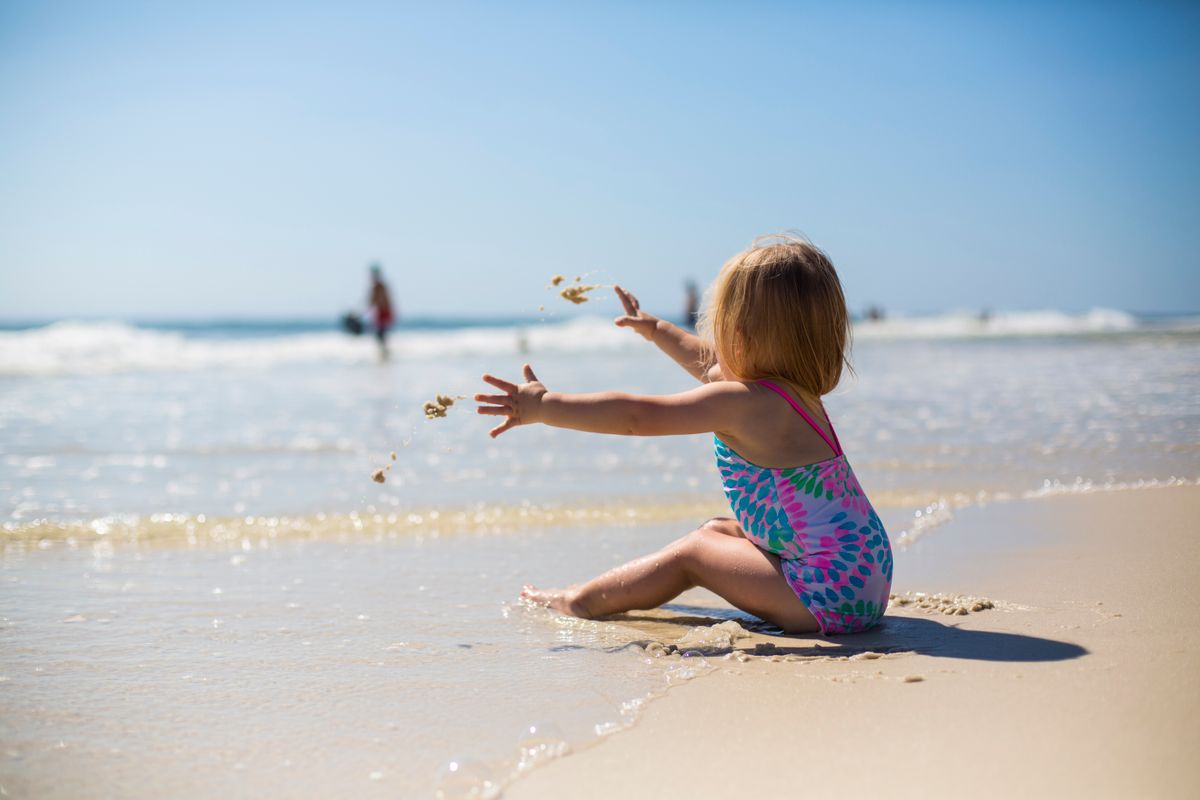
The good news is that babies can absolutely thrive at the beach when you go prepared. In this guide, we cover everything from sun protection and shade setup to feeding tips and what to do when sand ends up absolutely everywhere. By the end, you will feel confident and ready for your seaside adventure.
Understanding Sun Safety for Babies at the Beach
Sun safety is the single most important topic to understand before any beach outing with a baby. Babies have significantly more delicate skin than older children and adults, and their ability to regulate body temperature is still developing throughout the first year of life. This makes thoughtful preparation essential rather than optional.
For Babies Under Six Months
Leading paediatric organisations across Europe and North America recommend keeping babies under six months old out of direct sunlight altogether. This does not mean you cannot visit the beach, but it does mean shade and protective clothing need to be your primary tools. A lightweight UPF 50+ pop up beach shelter is one of the most useful items you can own as a new parent. These shelters open in seconds, weigh very little, and create a safe shaded space where your baby can rest, feed, and observe the world without being exposed to direct UV radiation. Look for one with good ventilation so the inside stays cool even on warm Northern European summer days.
For Babies Six Months and Older
Once your baby reaches six months, mineral based sunscreen becomes a practical option. Paediatric dermatologists recommend choosing a broad spectrum sunscreen with an SPF of at least 30, ideally one that uses zinc oxide or titanium dioxide as the active ingredients. These physical blockers sit on top of the skin rather than being absorbed into it, making them gentler for sensitive baby skin. Apply sunscreen 15 to 30 minutes before heading outside and reapply every two hours, and immediately after any time in the water. Do not forget easily missed areas such as the tops of the ears, the back of the neck, and the tops of the feet.
A well fitting sun hat is non negotiable at any age. Choose one with a wide brim that shades the face, ears, and back of the neck. A hat with a chin strap is particularly practical for wriggly babies who prefer to pull headwear off at every opportunity. The HelloLoomi Kids Hat with Ears in Ecru offers gentle coverage for little ones, crafted from soft natural fibres that sit comfortably on sensitive skin without causing irritation.

Timing Your Beach Visit Wisely
In the Netherlands, Germany, Belgium, and across Scandinavia, summer temperatures are generally more moderate than in Southern Europe, which makes beach outings more manageable for families with young babies. That said, UV radiation can still be intense on clear summer days even when the air temperature feels mild. The most intense UV radiation occurs between 10 in the morning and 4 in the afternoon, so aiming for an early morning beach visit or heading out after 4pm is a sensible strategy, especially during the first few outings with a young baby.
If you are visiting a sandier, more exposed coastline, remember that sand reflects UV rays, meaning your baby can still receive significant sun exposure even while sitting in the shade of a parasol or umbrella. A tent style shelter that covers the sides and provides fully enclosed shade is more protective than a simple umbrella for this reason.
Keeping Baby Cool and Hydrated
Heat can affect babies much more quickly than adults, and early signs of overheating are easy to miss when you are focused on the waves and the scenery. Dress your baby in a single layer of loose fitting, light coloured clothing in a breathable natural fabric such as cotton or muslin. Avoid synthetic materials at the beach, as they trap heat and moisture against the skin.
For babies under six months who are exclusively breastfed or formula fed, additional water is not necessary on warm days. Their milk feeds provide all the fluid they need. However, in warm weather, offering feeds more frequently than usual is helpful and reassuring for both of you. Babies over six months who are already eating some solid foods can be offered small sips of water alongside their usual milk feeds. Keep a bottle or lidded cup of cooled boiled water in an insulated bag to stay fresh throughout the day.
Signs that your baby may be getting too warm include flushed cheeks, rapid breathing, more fussiness than usual, and fewer wet nappies. If you notice any of these signs, move baby to a cool shaded spot, offer a feed, and if symptoms persist or your baby seems unwell, seek medical advice without delay.
Setting Up Your Beach Base
One of the most practical skills you will develop as a beach parent is the art of setting up a comfortable, safe base. Choose a spot that has access to natural shade if possible, such as near dunes or a sheltered section of beach, and supplement with your portable sun shelter. Lay out a soft, washable blanket inside the shelter to give your baby a comfortable and clean surface to lie on.
A large, soft muslin blanket is one of those genuinely multipurpose items that earns its place in your beach bag every single time. It doubles as a surface to lie on, a light cover when baby naps, a nursing cloth for discreet feeding in a public outdoor space, and a gentle layer to wrap around a sandy, damp baby on the way back to the car. The HelloLoomi Soft Muslin Cotton Blanket in Ivory White is made from breathable cotton muslin that is soft enough for newborn skin and lightweight enough to carry easily without adding bulk to your beach bag.

What to Pack in Your Beach Bag
Packing for a beach day with a baby is a balancing act between being prepared and not lugging so much gear that the trip becomes exhausting before you even arrive. Sun and shade essentials form the foundation of your kit: your sun shelter or beach tent, a broad spectrum mineral sunscreen for babies over six months, a wide brimmed hat, and a lightweight long sleeve rash vest or sun suit if you plan to be near the water.
For nappy and hygiene supplies, bring more nappies than you think you will need. Sand has a remarkable way of finding its way into nappies, and a nappy change at the beach is a much bigger operation than at home. Waterproof swim nappies are worth having if you plan to take your baby into shallow water or a tidal pool. Pack biodegradable nappy sacks, a portable changing mat, fragrance free baby wipes, and a small packet of tissues for unexpected moments.
If you are formula feeding, pre measure formula powder into a portable dispenser and bring a thermos of warm water alongside a separate bottle of cooled boiled water so you can make up a feed at the correct temperature. Pack any age appropriate snacks if your baby is eating solids, and keep them in a cool bag away from direct sun.
A good quality baby towel that absorbs quickly and wraps warmly is essential, especially on Northern European beach days where the wind can feel sharp after a paddle in the sea. Waffle weave towels are particularly well suited to this because their textured surface lifts moisture away from skin efficiently without needing a thick, heavy fabric. The HelloLoomi Honeycomb Waffle Towel comes in a generous size with a natural honeycomb texture that dries quickly and feels gentle against baby skin, making it ideal for post paddle wrapping on breezy coastal days.

Finally, always pack a spare set of clothing for your baby and one for yourself. Sand is inevitable, and the journey home is always more pleasant when you are not sitting in damp, sandy clothes.
Handling Sand with a Baby
Sand is endlessly fascinating for babies but can also be frustrating and uncomfortable when it ends up in eyes, mouths, and nappy areas. Keep your beach shelter area as sand free as possible by placing a blanket inside and shaking it out regularly throughout the day. When your baby starts to show interest in exploring sand, supervise closely and allow gentle sensory discovery. Most babies will attempt to taste sand at some point, which is a natural part of their sensory development. A small amount is not harmful, but redirecting with a toy or a snack is a gentle and effective response.
Baby powder sprinkled onto sandy skin before dressing can help dry sand fall away from skin creases and folds much more easily, which makes the post beach cleanup considerably quicker and more comfortable for your baby.
Making the Most of Your First Beach Days Together
Your first beach trip with a baby will probably be shorter than you expect, and that is completely fine. Babies tire more quickly in stimulating outdoor environments, and a successful two hour beach visit is far better than an exhausting five hour one where everyone ends up unhappy. Watch your baby's cues. When they start to fuss, become unsettled, or show signs of tiredness, begin packing up calmly. Building shorter, positive beach experiences in the first year creates the foundation for a child who genuinely loves the outdoors as they grow.
Conclusion
A beach day with a baby in Northern Europe can be a truly magical experience. The fresh sea air, the sound of waves, and the sensation of sand and breeze are all rich sensory experiences for a young baby, and the memories you create together in these early summer outings will stay with your family for years. With thoughtful preparation, the right gear, and a flexible attitude, your beach days can be genuinely relaxed and joyful. At HelloLoomi, we design products that make these everyday adventures with your baby a little more comfortable and a little more beautiful. Browse our full range to find everything you need for a wonderful summer with your little one.
Frequently Asked Questions
When can my baby go to the beach for the first time?
There is no fixed minimum age, but babies under two months are particularly sensitive to heat and infection, so most paediatricians recommend waiting until at least six to eight weeks before a beach outing. After that, beach visits are possible as long as you use a shaded sun shelter, keep baby cool, and avoid the hottest part of the day between 10am and 4pm.
Can I put sunscreen on my newborn at the beach?
Sunscreen is not recommended for babies under six months old. Instead, keep very young babies in full shade using a UPF 50+ sun shelter, dress them in lightweight long sleeve clothing, and use a wide brimmed hat to protect the face, ears, and neck. For babies over six months, use a mineral based broad spectrum sunscreen with SPF 30 or higher, applied 15 to 30 minutes before sun exposure.
How do I keep my baby cool at the beach on a hot day?
Set up a pop up sun shelter in a shaded spot, dress your baby in a single layer of loose breathable fabric such as cotton or muslin, offer feeds more frequently than usual, and keep the shelter well ventilated. Avoid the beach during the hottest part of the day, typically from 11am to 3pm, and watch for signs of overheating such as flushed cheeks, rapid breathing, or reduced wet nappies.
What is the best fabric for a baby beach blanket?
Muslin cotton is an excellent choice for beach use because it is lightweight, breathable, quick drying, and gentle on sensitive baby skin. It serves multiple purposes on a beach trip, working equally well as a surface to lie on, a light cover during naps, a nursing cloth, and a wrap for a damp baby after a paddle. The HelloLoomi Soft Muslin Cotton Blanket is a popular choice among parents for exactly this versatility.
How do I protect my baby from sand at the beach?
Create a sand free zone inside your sun shelter by laying down a soft blanket and shaking it out regularly throughout the day. Dress your baby in a light bodysuit to reduce direct sand contact with skin, and sprinkle a little baby powder onto sandy skin before dressing to help dry sand fall away easily from skin creases and folds.
What should I pack in a beach bag for a baby?
Essential items include a UPF rated sun shelter or beach tent, broad spectrum baby sunscreen for babies over six months, a wide brimmed hat, plenty of nappies and wipes, a portable changing mat, a muslin blanket, a quick drying towel, extra feeding supplies, a spare change of clothes for baby and yourself, and enough water or feeding supplies for the full duration of your trip.
What type of towel is best for a baby at the beach?
A waffle weave or honeycomb textured towel works particularly well at the beach because the texture lifts moisture efficiently from skin, the fabric dries quickly in sea air, and it is lightweight and easy to pack. Natural fibre towels made from cotton or linen cotton blends are gentler on sensitive baby skin than synthetic alternatives, and the HelloLoomi Honeycomb Waffle Towel is well suited to beach use for exactly these reasons.


