

Hay Fever in Babies and Toddlers: How to Recognise the Signs and Manage Pollen Season in Northern Europe
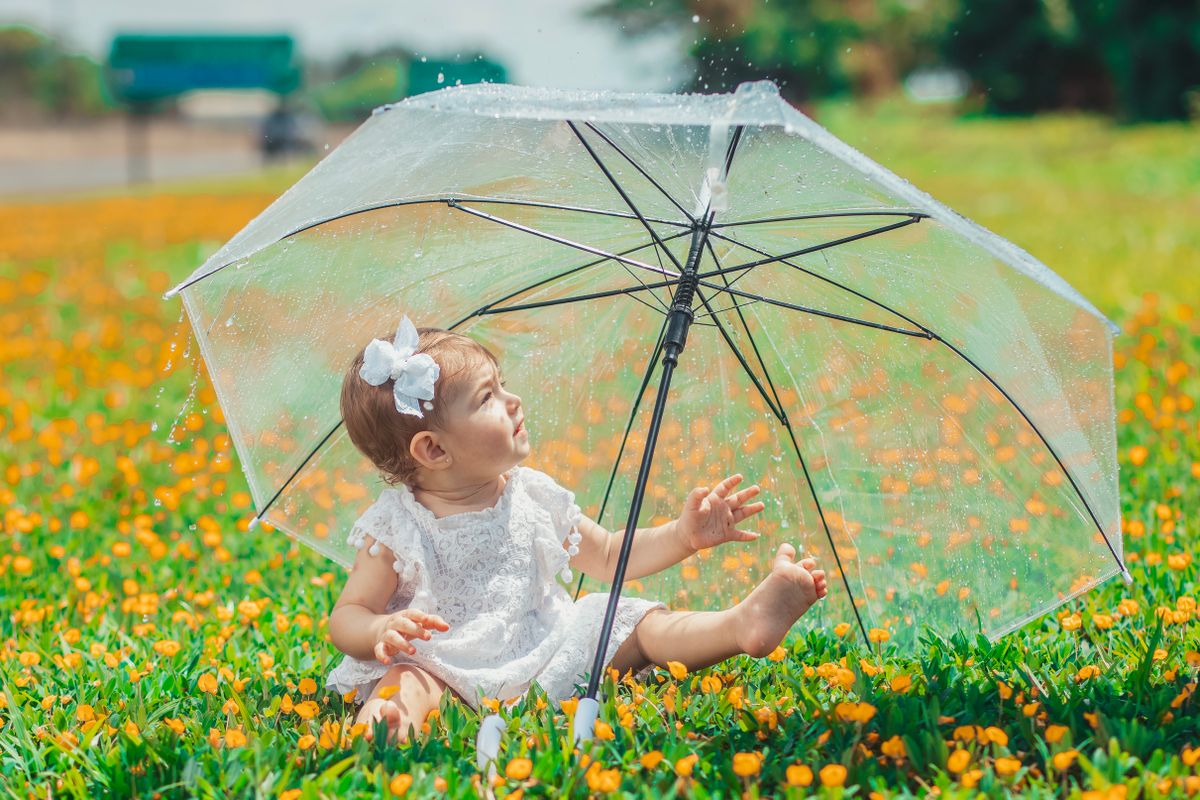
Summer in Northern Europe is glorious. The playgrounds fill up, the parks bloom, and the days stretch long and golden. But for many families, this beautiful season also brings a more frustrating side: itchy eyes, a constantly runny nose, and a toddler who simply cannot settle at night. If you have been wondering whether your little one is reacting to pollen rather than catching cold after cold, you are not alone. Hay fever is surprisingly common in young children, and learning to recognise and manage it can make a real difference to your whole family's quality of life this summer. This guide covers everything you need to know: when hay fever can start in children, how to tell it apart from a regular cold, and the most effective strategies to keep pollen exposure low while still letting your little one enjoy the outdoors.
Can Babies Actually Get Hay Fever?
This is one of the most common questions parents ask, and the answer is nuanced. Hay fever, also known as seasonal allergic rhinitis, is an allergic reaction to airborne pollen from trees, grasses, and weeds. For the immune system to develop this kind of reaction, it typically needs repeated exposure over at least two pollen seasons. This is why hay fever in babies under the age of two is genuinely rare.
Most paediatric guidelines suggest that children begin to show hay fever symptoms from around two to five years of age, with some cases appearing as early as 18 months in children who have had consistent high pollen exposure. If your baby is under one year old and showing a persistently runny nose, the most likely culprits are recurrent viral colds, enlarged adenoids, or a sensitivity to something indoors such as house dust mites or pet dander. It is worth speaking to your family doctor or paediatrician to explore those possibilities first.
That said, a child's risk of developing hay fever increases considerably if there is a family history of allergies. Children who have already been diagnosed with eczema or asthma are also more likely to develop seasonal allergies as they grow older. The tendency for eczema, asthma, and hay fever to appear together is so well recognised in paediatric medicine that the three conditions are sometimes called the atopic march.
Pollen Season in Northern Europe: A Seasonal Guide
For parents in the Netherlands, Germany, Belgium, Luxembourg, Denmark, Norway, and Sweden, pollen season is not a brief event. It can span from February all the way through to September, with different types of pollen peaking at different times of year.
Early spring brings tree pollens, particularly from alder and hazel, followed by the birch pollen peak in April and May, which is one of the most potent triggers in Northern Europe. Grass pollen then takes over from May through to late July, with the highest concentrations typically recorded in June. This grass pollen peak is the one most strongly associated with classic hay fever symptoms in children. Weed pollens such as mugwort follow in August and September, keeping some sensitive children symptomatic well into autumn.
If your toddler's symptoms seem to flare in late June and July, grass pollen is the most likely trigger. Local pollen forecast apps and websites, many of which are available specifically for the Netherlands and Germany, can help you check daily counts so you can plan your outdoor activities accordingly.
Hay Fever Symptoms in Babies and Toddlers: What to Look For
The classic signs of hay fever in young children overlap considerably with those of a common cold, which is why many parents initially dismiss the symptoms as yet another viral infection. There are some key differences, however, that can help you tell the two apart.
With hay fever, the nasal discharge is typically clear and watery rather than thick or coloured. Sneezing tends to happen in repeated bursts, particularly after coming indoors from outside or first thing in the morning when pollen concentrations are at their highest. The eyes are often red, puffy, and itchy, and you may notice your toddler rubbing their eyes and nose far more than usual. Congestion can make sleep difficult, and you might notice your little one breathing through their mouth at night.
A cold, by contrast, typically produces thicker mucus that may turn yellow or green as the days progress. Colds usually resolve within five to ten days, whereas hay fever symptoms can persist for weeks or even months as long as the triggering pollen remains in the air. A raised temperature is another useful distinction: a genuine fever points strongly towards a viral or bacterial infection rather than an allergic reaction, because hay fever does not cause a raised body temperature.
One practical tip: if your child's symptoms are always worse after time spent outdoors, during or after windy weather, or at the same time each year, seasonal allergy is very likely to be playing a role.
Safe Ways to Reduce Pollen Exposure for Your Baby or Toddler
Managing hay fever in young children is primarily about reducing their exposure to pollen. Medication is an option for older children, but antihistamines are generally not recommended for children under the age of two without explicit guidance from a doctor. For babies and very young toddlers, environmental strategies are the cornerstone of care.
The first and most effective step is to keep nursery windows closed during the times when pollen is at its highest, typically early morning and early evening, as well as on warm and windy days when pollen disperses most easily. If you have air conditioning, keeping it in a recirculating mode rather than drawing in outside air can also help. An air purifier with a HEPA filter in the nursery or main living area is a worthwhile investment during peak pollen season.
After any outdoor time, a simple but effective routine can make a significant difference. Change your child's clothes as soon as they come inside, and gently wipe their face and hands with a damp cloth or soft muslin square to remove pollen that has settled on the skin. If they have had a particularly long session outdoors, a quick bath before bedtime will also wash pollen from their hair and skin before they sleep. Washing bedding weekly during pollen season and drying it indoors rather than on an outdoor line will help keep their sleeping environment as pollen free as possible.
For nasal congestion in younger babies, saline nasal drops are a safe, gentle, and effective way to clear the nasal passages without any medication. A cool mist humidifier in the nursery can also help ease congestion and make breathing more comfortable at night.
Making the Most of High Pollen Days Indoors
On days when the pollen forecast is showing high counts, the most straightforward strategy is to limit outdoor time, particularly during the early morning and late afternoon peak hours. This does not have to mean a day spent in front of a screen, though. Keeping a curious toddler happily engaged indoors is very achievable with the right activities, and the extra time inside can actually be a wonderful opportunity for focused, hands on play that supports your child's development.
A Montessori busy board is one of the most effective tools for indoor play on days when going outside is not ideal. The HelloLoomi Montessori Marvel Busy Board offers a rich variety of tactile activities that keep little hands and minds occupied for extended periods, building fine motor skills, concentration, and problem solving without a single screen in sight. Its wall mounted design means it is always ready and does not take up floor space, making it ideal for smaller homes and apartments.

Imaginative play is another wonderful option. Wooden playsets that encourage creative storytelling support language development and fine motor skills at the same time. The HelloLoomi Farm PlaySet is a beautifully crafted 18 piece wooden set that brings hours of engaged play indoors, with a barn, stable, animals, and accessories to spark your toddler's imagination, whatever the pollen count outside might be.

When to Talk to Your Doctor
Most cases of hay fever in toddlers can be managed effectively at home with the strategies described above. There are situations, however, where professional advice is important. If your child's symptoms last more than two to three weeks without a clear viral cause, if their sleep is significantly disrupted night after night, or if you notice any wheezing or difficulty breathing, a visit to your family doctor or paediatrician is essential.
A doctor can confirm whether the symptoms are truly allergy related, potentially through a skin prick test or blood test in older children, and can recommend treatments that are appropriate for your child's age. In some cases, a referral to a paediatric allergist may be the most helpful next step, particularly if your child is showing signs of multiple allergies or if symptoms are severe.
Will My Child Always Have Hay Fever?
It is natural to worry about whether a seasonal allergy will be a lifelong challenge for your child. The good news is that many children experience milder symptoms as they get older, and some improve significantly by adolescence. Managing symptoms well in the early years, keeping pollen exposure low, and seeking a proper diagnosis all contribute to better long term outcomes.
Family history is a relevant factor. If one parent has hay fever or other allergic conditions, a child has roughly a 30 to 40 percent chance of developing a similar allergy. If both parents are affected, that figure rises to around 70 to 80 percent. Understanding your family's allergy history is a useful piece of the picture when you speak to your doctor, and helps them give you the most tailored advice for your little one.
Conclusion
Pollen season in Northern Europe is long, but with the right knowledge and a few straightforward habits, it does not have to mean weeks of miserable symptoms for your little one. Recognising the signs early, reducing pollen exposure through practical daily routines, and knowing when to seek medical advice puts you firmly in control as a parent. And on those high pollen days when staying indoors is the wisest choice, quality indoor play can turn a frustrating situation into a genuinely enriching one.
At HelloLoomi, we are here to support you and your child through every season, with thoughtfully chosen products that make day to day life a little easier and a lot more joyful. Browse our full collection of baby and toddler essentials at helloloomi.com and find everything you need to keep your little one thriving, whatever the weather.
Frequently Asked Questions
When can babies get hay fever?
Hay fever is rare in babies under the age of two because the immune system needs at least two full pollen seasons of exposure before it can mount an allergic reaction to pollen. Most children begin showing seasonal allergy symptoms between the ages of two and five, though in children with a strong family history of allergic conditions, signs can occasionally appear as early as 18 months.
How do I know if my toddler has hay fever or just a cold?
The main differences are the type of nasal discharge, the presence of a raised temperature, and how long the symptoms last. Hay fever produces clear, watery mucus, does not cause a fever, and tends to persist for weeks throughout the pollen season. A cold typically causes thicker mucus that may become coloured over time, can produce a mild temperature, and usually resolves within five to ten days.
What can I give my baby for hay fever symptoms?
For babies under two years old, antihistamines should only be given on the advice of a doctor. Safe options that do not require medication include saline nasal drops to clear congestion, gently wiping the face and hands with a damp cloth after outdoor time, and keeping windows closed during peak pollen hours. A cool mist humidifier in the nursery can also help ease breathing at night.
How do I keep pollen out of my baby's bedroom?
Keep the nursery window closed during early morning and early evening, when pollen counts are at their highest. Dry bedding indoors rather than on an outdoor line, wash sheets weekly during pollen season, and consider running an air purifier with a HEPA filter. Wiping your baby's face and changing their clothes after outdoor time before placing them in their cot will also significantly reduce the amount of pollen that ends up in their sleeping environment.
Is it safe to take my baby outside during pollen season?
Yes, outdoor time remains beneficial and important for your baby's development even during pollen season. On days with lower counts, try to plan outdoor activities for mid morning or mid afternoon when pollen levels tend to be lower than during the early morning or early evening. After coming inside, change clothes and gently wipe your child's face. On very high pollen days, keeping outdoor sessions shorter and shifting more play indoors is a practical way to balance fresh air with symptom management.
At what age can children take antihistamines for hay fever?
In most European countries, antihistamines suitable for children are not approved for use under the age of two without a doctor's recommendation. From around two years of age onwards, some over the counter antihistamine preparations become available for children, but dosing is strictly dependent on age and weight. Always consult your doctor or pharmacist before giving any antihistamine to a young child, and never use antihistamines formulated for adults.
What are good indoor activities for my toddler on high pollen days?
Montessori busy boards and wooden playsets are among the most effective options for keeping toddlers engaged indoors on high pollen days. Activities that involve hands on exploration, problem solving, and imaginative play support development just as meaningfully as outdoor play. The HelloLoomi range includes Montessori busy boards and wooden toy sets designed to provide rich, screen free indoor play that keeps little ones learning and busy throughout the day.


