
How and When to Introduce Allergenic Foods to Your Baby: A Guide for Northern European Parents
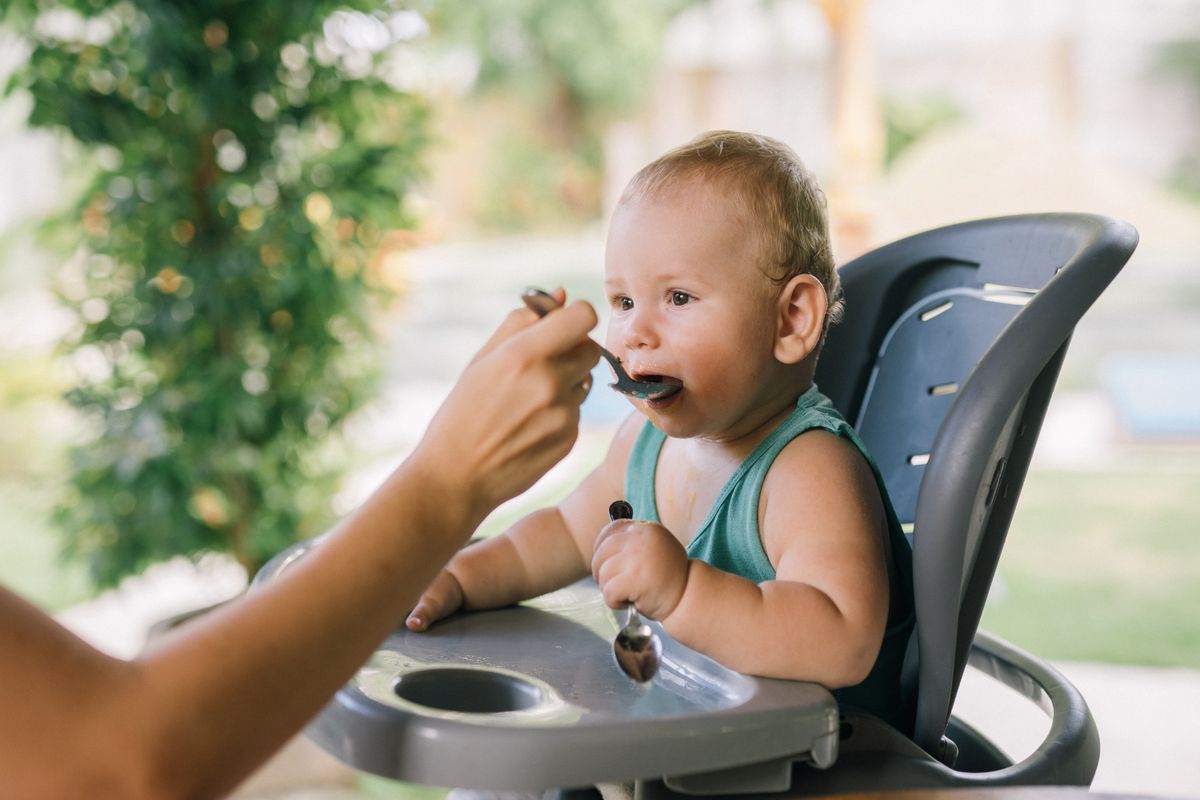
If you are the parent of a baby approaching the six-month mark, you may already be thinking about when and how to introduce solid foods. But one question that is increasingly on parents' minds across the Netherlands, Germany, Belgium, Denmark, Norway, and Sweden goes a step further: when should I introduce foods that are known allergens, like peanuts, egg, and fish? For years, the conventional wisdom was to delay these foods, particularly if there was a family history of allergy. That guidance has changed substantially in recent years, and the science behind the shift is genuinely reassuring. This guide will walk you through everything you need to know about early allergen introduction, including the research that supports it, how to do it safely, and what to watch for along the way.
Why the Old Advice Was Wrong
Until relatively recently, health authorities in many European countries advised parents to avoid giving young babies highly allergenic foods, especially if there was a family history of eczema, asthma, or food allergy. The idea was that a baby's immune system was too immature to handle these proteins, and that early exposure might trigger an allergic response.
The evidence no longer supports that approach. In fact, research now suggests that delaying allergen introduction may actually increase the risk of a child developing a food allergy. The shift in understanding began with a landmark study called the LEAP trial, short for Learning Early About Peanut Allergy, published in the New England Journal of Medicine in 2015. Researchers at King's College London followed 640 infants aged between four and eleven months who were already considered high risk due to severe eczema, an egg allergy, or both. Half were given peanut products regularly from an early age, and half avoided peanuts entirely until age five. The results were striking: only 10.6 percent of the peanut-eating group developed a peanut allergy by age five, compared to 35.3 percent of those who had avoided peanut entirely.
A follow-up study, the LEAP-On trial, showed that the protective effect persisted even after the children stopped eating peanut products regularly for a year, confirming that early introduction could provide lasting tolerance. More recent pooled analyses suggest that over 85 percent of peanut allergy cases in high-risk children could be prevented through early introduction.
What Are the Top Allergenic Foods for Babies?
In Europe, the major allergens that parents and clinicians pay closest attention to are peanuts, tree nuts (such as walnut, almond, cashew, and hazelnut), eggs, cow's milk, wheat, soy, fish, and sesame. These eight food groups account for the vast majority of food-allergic reactions in children.
It is worth noting that the prevalence of food allergies varies across the region. Peanut allergy affects roughly one to two percent of children in Northern and Western Europe. Egg allergy is one of the most common in infants, affecting around one to two percent of young children in the UK and similar rates are seen across the Netherlands and Scandinavia. The good news is that eggs and milk allergies are often outgrown by school age, while peanut and tree nut allergies tend to be more persistent.
When Should You Start Introducing Allergens?
Current guidance from paediatric allergy organisations across Europe, including the British Society for Allergy and Clinical Immunology (BSACI) and the European Academy of Allergy and Clinical Immunology (EAACI), recommends introducing allergenic foods alongside other solid foods from around six months of age, and not before four months. For most babies, this means beginning allergen introduction as part of the normal weaning process, rather than treating it as something separate or scary.
For babies who are considered higher risk, meaning those with persistent and severe eczema or a confirmed egg allergy, some guidelines suggest that early introduction of peanut from around four months may be beneficial, but parents in this situation should speak with their paediatrician or a paediatric allergy specialist before proceeding.
There is no need to wait until a baby is twelve months old, as was once recommended. The goal is to introduce allergens during the window when the immune system appears most receptive to developing tolerance, which is broadly the period from around four to twelve months.
Is Your Baby Ready? Signs of Developmental Readiness
Before introducing any solid foods, including allergens, it is important to make sure your baby is developmentally ready. The key signs to look for include the ability to sit upright with minimal support and hold their head steady, showing interest in food by watching what you eat, and the loss of the tongue-thrust reflex that automatically pushes food out of the mouth.
Building these skills takes time and plenty of supervised floor play. Tummy time and free movement on a supportive, comfortable surface help babies develop the core strength and body awareness they need to sit independently at mealtimes. A large, cushioned play mat gives babies the room they need to roll, reach, and build these foundational motor skills safely. The HelloLoomi Baby Activity Mat (120x120cm) is designed with exactly this developmental stage in mind, offering a generous, padded surface that supports babies from their earliest weeks right through the transition to solid foods.

How to Introduce Allergens Safely at Home
The process of introducing allergens does not need to be complicated. The key principles are to introduce one new allergenic food at a time, in a small amount, and to wait two to three days before introducing another new allergen. This spacing allows you to observe your baby clearly and identify which food caused a reaction if one occurs.
Here is how to approach each of the major allergens in practical terms.
Peanuts
Never give whole peanuts to babies or young children, as they are a choking hazard. Instead, use smooth peanut butter thinned with a little breast milk, formula, or warm water, or a commercially available peanut powder mixed into purees or porridge. A pea-sized amount is enough to start. If your baby tolerates it well, continue to offer peanut products regularly, at least two to three times per week, to maintain tolerance.
Egg
Well-cooked egg is the safest form for initial introduction. Scrambled egg, hard-boiled egg mashed into a puree, or egg mixed into a pancake batter are all good options. Raw or lightly cooked egg carries a higher risk of reaction in sensitive babies, so it is best to wait until tolerance to cooked egg is well established before offering softer preparations.
Fish and Seafood
White fish such as cod or haddock, cooked and flaked finely, can be offered from around six months. Fish is an important source of protein and omega-3 fatty acids, which support brain development. If your family already eats fish regularly, introducing it early and often is straightforward. For families who rarely eat fish, this may require a little planning, but the nutritional benefits make it worthwhile.
Tree Nuts and Sesame
As with peanuts, whole nuts are not suitable for babies due to choking risk. Finely ground almond flour stirred into porridge, cashew butter thinned to a paste, or tahini (sesame paste) mixed into vegetable purees are all practical ways to introduce these foods. Hazelnut and walnut spreads, provided they contain no added salt or sugar, can also be used in small amounts.
Wheat
Wheat is found in many common first foods including baby porridges and cereals, so it is often introduced without parents even thinking of it as an allergen. If you are offering wheat-containing foods from around six months, you are already doing this correctly.
What Does an Allergic Reaction Look Like?
Most allergic reactions in babies are mild and appear within minutes to two hours of eating the trigger food. Mild symptoms include hives or a red, itchy rash around the mouth or on the body, swelling of the lips or face, a runny nose, or watery eyes. These symptoms are often uncomfortable but not dangerous and can usually be managed by removing the trigger food and, if needed, giving an age-appropriate antihistamine under medical guidance.
Severe allergic reactions, known as anaphylaxis, are rare but require immediate emergency medical attention. Signs of anaphylaxis include difficulty breathing, severe swelling of the lips, tongue, or throat, sudden paleness or limpness, vomiting combined with difficulty breathing, or a sudden collapse. If you notice any of these signs, call emergency services immediately.
Because of this small risk, it is sensible to introduce new allergens at a time of day when you can observe your baby closely for at least two hours afterward, ideally not just before bedtime. Having antihistamine syrup recommended by your pharmacist at home before you begin is also a reasonable precaution.
A Note on High-Risk Babies
If your baby has severe eczema, particularly eczema that has been difficult to control, or if a food allergy has already been diagnosed, the approach to allergen introduction should be personalised with input from a healthcare professional. In the Netherlands, Germany, and Scandinavia, referrals to paediatric allergists are available through the standard healthcare system, and your general practitioner or paediatrician can arrange this.
It is worth knowing that eczema itself is not a reason to delay allergen introduction. In fact, the LEAP study found the strongest protective effect of early peanut introduction in exactly the babies with the most severe eczema. The key is to seek specialist advice rather than defaulting to avoidance.
Making Mealtimes a Positive Experience
As your baby moves from exclusive milk feeding into the exciting world of solid foods, setting up a calm, enjoyable mealtime routine matters as much as which foods you offer. Babies learn to eat by exploring, touching, smelling, and eventually tasting, often in that order. Sitting together as a family when possible and allowing your baby to observe you eating is one of the most powerful ways to support positive feeding development.
A soft, safe, and easy-to-clean play space around mealtimes also helps. Many parents find that a high-quality foam play mat nearby is invaluable during the early weaning months, giving babies a safe landing pad between meals and a comfortable space for the play that builds the physical skills eating requires. The HelloLoomi Foam Puzzle Playmat in Terrazzo Dove is a beautiful and practical option, made from non-toxic, baby-safe foam and sized generously enough to grow with your child through the toddler years.

Conclusion: Start Early, Stay Consistent
The science on early allergen introduction is now clear and consistent: introducing peanut, egg, fish, and other common allergens from around six months of age, as part of a varied and nutritious weaning diet, is one of the most effective things you can do to reduce your baby's lifetime risk of food allergy. This is true whether or not there is a family history of allergy. The key is to start early, introduce foods one at a time, and keep offering them regularly once tolerance is established.
At HelloLoomi, we believe that the early months and years are full of discovery, and that parents deserve thoughtful, well-designed products to support every stage of their baby's growth. Whether your little one is building the strength to sit up for their first spoonfuls or exploring new textures and tastes, explore the HelloLoomi collection for everything you need to make those milestones comfortable, safe, and joyful.
Frequently Asked Questions
When can I start introducing peanut butter to my baby?
You can introduce peanut butter to your baby from around six months of age, once they are showing readiness for solid foods and have already tolerated a few other first foods. Always use smooth peanut butter thinned with breast milk, formula, or water, and never give whole peanuts to babies or toddlers under five, as they are a choking hazard. If your baby has severe eczema or an existing food allergy, speak with your paediatrician before introducing peanut.
How do I know if my baby is having an allergic reaction to a new food?
Allergic reactions to food in babies most commonly appear within minutes to two hours of eating the trigger food. Mild signs include hives, a red itchy rash around the mouth or on the body, swelling of the lips, a runny nose, or watery eyes. Severe reactions involving difficulty breathing, sudden limpness, or significant facial swelling require immediate emergency care. Always introduce new allergens during the day when you can observe your baby closely for at least two hours afterward.
Is it safe to introduce egg to a baby with eczema?
Yes, it is generally safe to introduce egg to a baby with eczema, and current evidence suggests that early introduction may actually help reduce the risk of egg allergy developing. Start with well-cooked egg such as hard-boiled or scrambled egg, and introduce it as you would any other new food, one at a time in a small quantity. If your baby's eczema is severe or has been difficult to manage, consult a paediatric allergist for personalised advice before introducing egg at home.
Do I need to keep feeding my baby peanut products after the first introduction?
Yes, consistency matters. Research shows that the protective effect of early peanut introduction works best when peanut-containing foods are offered regularly, ideally two to three times per week. If you introduce peanut and your baby tolerates it well but then stop offering it for weeks or months, the tolerance that was developing may not be maintained. Incorporating small amounts of smooth peanut butter or peanut powder into everyday meals such as porridge or fruit purees makes this easy to sustain.
What is the difference between a food intolerance and a food allergy in babies?
A food allergy involves the immune system and typically produces symptoms within minutes to two hours of eating the trigger food, including hives, swelling, or in severe cases, breathing difficulties. A food intolerance does not involve the immune system and usually causes digestive symptoms such as bloating, wind, or loose stools, which may appear several hours after eating. Cow's milk protein intolerance is one of the more common intolerances seen in formula-fed infants. If you are unsure whether your baby's symptoms indicate an allergy or intolerance, your GP or paediatrician can help clarify this.
At what age should my baby be sitting up before I start solid foods?
Your baby does not need to sit completely independently before starting solid foods, but they should be able to sit with minimal support and hold their head and neck steady. Most babies reach this stage around six months of age, though there is natural variation. Plenty of floor-based play, including tummy time on a supportive play mat, helps babies build the core strength and postural control they need to sit safely in a high chair for meals.
Which HelloLoomi products are useful during the weaning stage?
During the weaning stage, when babies are typically between five and twelve months old, a large and comfortable activity play mat is one of the most practical investments you can make. The HelloLoomi Baby Activity Mat (120x120cm) provides a generous, padded space for the tummy time and free movement that builds the physical readiness for sitting at mealtimes, and the HelloLoomi Foam Puzzle Playmat offers a safe, easy-to-clean surface that grows with your child from weaning right through the toddler years. Both are made with baby safety as a priority and designed to complement your home environment beautifully.


