
How to Shop Preloved for Your Baby: Your Complete Guide to Buying Secondhand Baby Clothes and Gear in Northern Europe
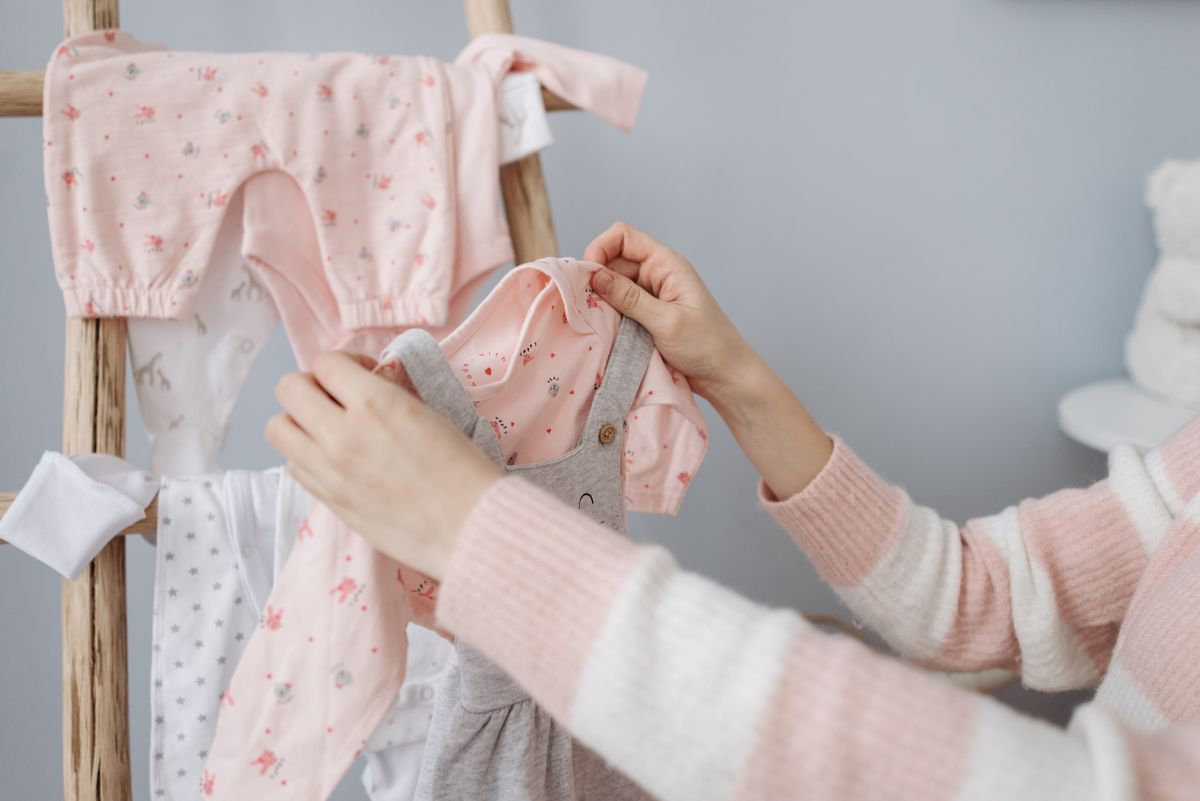
When you discover you have a baby on the way, the list of things you apparently need can feel endless. Cot, pram, clothing in six different sizes, muslin wraps, bouncers, play mats and all of it outgrown before you have the chance to blink. If you live in the Netherlands, Germany, Belgium, or Scandinavia, you have already noticed something wonderful: preloved baby shopping is absolutely thriving. Platforms like Vinted, Marktplaats, Kleinanzeigen, and Finn.no have made it easier than ever to kit out your baby beautifully for a fraction of the cost, while keeping thousands of tiny garments out of landfill. This guide walks you through what to buy secondhand with confidence, what to always purchase new for safety, where to find the best preloved baby gear across Northern Europe, and how to build a thoughtful and sustainable wardrobe for your little one from the very beginning.
Why Buying Preloved Baby Items Makes So Much Sense
Babies grow at a pace that genuinely defies belief. A newborn bodysuit that fits perfectly at birth may be too small within six weeks. The average baby moves through five or six clothing sizes in their first year alone, which means that new, barely worn garments are one of the most commonly listed items on secondhand marketplaces. This rapid growth rate makes baby clothing one of the most logical categories to buy preloved, and parents across Northern Europe have embraced this approach enthusiastically.
From an environmental perspective, the textile industry is one of the most resource-intensive in the world. A single cotton garment can require vast quantities of water to produce, and millions of tonnes of clothing end up in landfill each year across Europe. Extending the life of baby garments by passing them from one child to the next reduces demand for new production and keeps fabrics in circulation far longer. In Northern Europe, where sustainability is deeply embedded in everyday culture, buying preloved has shed any lingering stigma. In Sweden, the concept of a circular economy is taught in schools, and platforms like Tradera and Blocket have millions of active users browsing secondhand baby goods every day.
Beyond the environmental argument, the financial case is equally compelling. Parents in the Netherlands estimate they can save between 40 and 70 percent on baby clothing by shopping preloved. In Germany, Kleinanzeigen and Facebook Marketplace have become reliable destinations for barely-used baby gear, with strollers, Moses baskets, and baby bouncers listed daily at a fraction of their original retail price. Over the course of the first year, the savings add up to several hundred euros at minimum.
What Is Safe to Buy Secondhand and What to Always Purchase New
Not everything on the secondhand market carries the same level of risk, and understanding the difference is essential for shopping with confidence. Most baby clothing and soft furnishings are perfectly safe to buy preloved, provided they are washed at an appropriate temperature before first use. Baby clothes made from natural fibres like cotton, muslin, and bamboo can typically be washed at 60 degrees Celsius, which is sufficient to remove bacteria and allergens. If you are buying preloved muslin wraps or blankets for a newborn, a thorough wash at a high temperature before use is all that is needed.
Toys are another category where buying secondhand is generally safe, as long as you inspect them carefully before handing them to your baby. Look for the CE mark, which confirms the toy meets European safety standards. Check that there are no missing pieces, broken parts, or sharp edges, and verify that the toy has not been subject to a product recall. The European Commission maintains the RAPEX database where you can search for recalled products by brand and category, and it is well worth bookmarking this resource for any secondhand gear purchases you make.
However, certain items carry genuine safety risks when bought secondhand and should always be purchased new. Car seats should never be bought secondhand unless you can verify with absolute certainty that the seat has never been in a collision and has not passed its expiry date. Car seat safety standards update regularly, and an older or potentially compromised seat may not offer adequate protection in the event of an accident. Cot mattresses are another item that should always be bought new. Research in the United Kingdom, the Netherlands, and across Scandinavia has linked the use of secondhand mattresses with a small but statistically notable increased risk of sudden infant death syndrome. A new firm and breathable mattress is genuinely one of the most important investments you can make for your newborn. Helmets and protective headgear should also always be purchased new.
Where to Find the Best Preloved Baby Gear in Northern Europe
The secondhand market for baby items varies across Northern Europe, but every country in the region has thriving platforms worth exploring. In the Netherlands, Marktplaats is the most established destination for secondhand baby goods, with hundreds of listings added daily across clothing, gear, and nursery items. Vinted has also become enormously popular with Dutch parents for clothing specifically, offering a clear and simple interface with buyer protection built into every purchase.
In Germany, Kleinanzeigen is the dominant secondhand marketplace, with an enormous baby and child section covering everything from prams to nursery furniture. Facebook Marketplace is also widely used in Germany and Belgium for larger items where local collection is preferable to shipping across the country. In Belgium, 2dehands.be is the equivalent of Marktplaats and has a well stocked baby section, while Luxembourg parents frequently shop across the Belgian and German platforms given the country's small size and central location.
In Scandinavia, each country has developed its own preferred platforms. In Norway, Finn.no is the dominant secondhand marketplace and its baby and child category is particularly comprehensive. In Sweden, Blocket and Tradera are both widely used, with Tradera functioning more like an auction platform where popular baby items can sell quickly. In Denmark, Den Blå Avis and Facebook Marketplace are popular choices. All three Scandinavian countries have also embraced Vinted strongly in recent years, making it one of the few platforms with a genuinely pan-European reach.
One of the most charming traditions in the Netherlands and Belgium is the kindervrijmarkt or babybeurs, a local baby and children's market where families sell outgrown items at very modest prices. These markets are held throughout the year in most cities and towns, and attending one is a lovely way to find quality items while connecting with other parents in your local community. Many municipalities publish calendars of upcoming markets, and a quick online search for your area will usually turn up something within easy reach.
How to Inspect Preloved Baby Items Before You Buy
Whether you are shopping online or at a local market, knowing what to look for will save you from disappointment and ensure you bring home only safe and good quality pieces. For clothing, check seams, press studs, and zips for wear. Natural fibre clothing made from organic cotton tends to hold up far better through multiple washes than synthetic blends, which is actually one reason that buying preloved from quality baby brands can yield excellent results. A well-made garment from a reputable brand will typically emerge from its twentieth wash looking better than a cheaply made equivalent does from its fifth.
For gear like bouncers, high chairs, and play mats, check that all safety straps are intact and fully functional. For items with harness systems, inspect the buckles carefully and test them before committing to a purchase. Look at the overall condition of the fabric and padding, and note any unusual odours that might indicate storage in damp conditions or exposure to cigarette smoke.
When buying online, always ask the seller for photos of the label so you can verify the brand, material composition, and size. A trustworthy seller will happily provide this information along with any washing or storage history relevant to the item. Always cross-reference the product name and model with the RAPEX database before purchasing gear, particularly for bouncers, infant carriers, and cot-related products.
Which New Items Are Worth Investing In for Your Newborn
While the preloved market is excellent for many baby categories, there are items where choosing new makes both practical and safety sense. Beyond the non-negotiable categories like car seats and mattresses, there are softer items that many parents prefer to buy new for a newborn, particularly anything pressed directly against very sensitive skin during those first weeks of life.
Muslin wraps and blankets that will be used from birth are items many families choose to buy new, and investing in high quality organic fabric at this stage pays dividends over many years. A beautifully made organic cotton muslin blanket from HelloLoomi can be washed hundreds of times and still remain soft, breathable, and gentle against delicate newborn skin. It serves as a swaddle, a pram cover, a changing mat liner, and a clean surface for tummy time all at once, meaning a small number of quality pieces goes a very long way.

The HelloLoomi Soft Muslin Cotton Blanket in Ivory White is made from 100% organic cotton muslin, woven to be breathable and genuinely kind to newborn skin. Versatile enough to use in a dozen different ways throughout the day and built to last through years of washing, it is exactly the kind of piece worth buying new and then eventually passing on.
Everyday bodysuits are another category where many parents choose to buy at least some pieces new for the newborn stage, particularly in the smallest sizes where garments are worn almost continuously during the day and night. Choosing organic cotton for these closest-to-skin pieces means your baby is not exposed to synthetic chemicals or finishes that are common in conventionally produced baby clothing.

The HelloLoomi Baby Body Suit in the Rainbow print is crafted from soft natural materials and designed for easy dressing with press stud fastenings at the bottom. The kind of everyday essential that, if well loved in its first life, will still have plenty left to give in a second.
Swaddles are also items that many parents prefer to buy new, particularly when they plan to use them nightly from birth. A swaddle in good quality natural fabric designed specifically for the newborn stage will outlast many cheaper alternatives and can often be passed down to a sibling or gifted to another family when the swaddling phase is done.

The HelloLoomi Baby Swaddle with Bear Ears in Off-White is designed to make swaddling straightforward even for very new parents, with a snug but breathable wrap and a lovely bear ear detail. Made from soft natural fabric, it doubles beautifully as a keepsake once the swaddling stage has passed.
Building a Sustainable Baby Wardrobe That Combines New and Preloved
The most sustainable approach to equipping your baby is not an all or nothing decision. The most environmentally thoughtful parents combine a small core of carefully chosen new items in high quality natural fabrics with a much larger wardrobe of preloved finds. Think of the new pieces as long lasting investments: organic cotton or muslin items that will outlast trends, wash beautifully across years, and eventually be passed on to another family or listed on Vinted for the next lucky baby. The preloved pieces fill in the gaps and handle the rapid size changes, where growth is so swift that even the most beloved outfit may only be worn a handful of times before it is outgrown.
As a practical approach, preloved items work particularly well for fast-turnover sizes like newborn and 0 to 3 months, where babies grow fastest. As they move into six months and beyond and begin staying in each size a little longer, a few well-chosen new pieces of better quality begin to make more sense from both a practical and environmental standpoint. The goal is not perfection but intention: making thoughtful choices where you can, and not being hard on yourself when convenience or circumstance dictates otherwise.
By choosing quality over quantity, and blending mindful secondhand shopping with new investment pieces made from organic and natural materials, you are doing something genuinely meaningful for your child and for the planet they will grow up on. You are modelling a circular approach to consumption from the very first day of their life, and that is a lesson that will last far longer than any single outfit.
Frequently Asked Questions
Is it safe to buy secondhand baby clothes?
Yes, buying secondhand baby clothes is generally very safe. The most important step is to wash all preloved garments thoroughly before your baby wears them, ideally at 60 degrees Celsius for natural fibre fabrics. This removes bacteria, allergens, and any residue from previous washing products. Natural fibre fabrics like organic cotton and muslin hold up particularly well through repeated high-temperature washes without losing their softness or shape.
What baby items should I never buy secondhand?
Car seats and cot mattresses should always be bought new. A secondhand car seat may have been in a collision that compromised its structural integrity, even if there is no visible damage. Secondhand cot mattresses have been linked in multiple research studies to an increased risk of sudden infant death syndrome. Helmets and protective headgear should also always be purchased new for the same safety reasons.
Where can I find the best preloved baby clothes in the Netherlands?
Marktplaats and Vinted are the most popular platforms for preloved baby clothes in the Netherlands. Marktplaats tends to have a wider variety of larger items and full wardrobe lots, while Vinted is ideal for individual clothing pieces with buyer protection built into every purchase. Local kindervrijmarkten and babybeurzen are also excellent places to find quality preloved baby clothing at very low prices, and they offer the added pleasure of browsing in person.
Can I buy a secondhand cot mattress for my baby?
No, paediatric health experts consistently advise against using a secondhand cot mattress for a new baby. Research from the United Kingdom, the Netherlands, and Scandinavia has associated secondhand mattress use with a small but real increased risk of sudden infant death syndrome. A new, firm, and breathable mattress is considered essential for safe infant sleep and is one of the most important new purchases you will make for your newborn.
How do I check if a secondhand baby toy is safe?
Look for the CE mark on any secondhand toy, which confirms it was manufactured to European safety standards. Inspect the toy carefully for missing parts, cracks, sharp edges, or peeling paint. You can also check whether the specific toy model has been recalled by searching the European Commission's RAPEX product safety database online. If you cannot verify the toy's origin or full history, it is safer to pass on it and find an alternative.
What new baby items are worth investing in for a newborn?
Beyond the non-negotiable safety items like a car seat and a new mattress, the items most worth buying new for a newborn are those pressed directly against your baby's skin during sleep and feeding. Organic cotton muslin blankets, swaddles, and bodysuits in natural fabrics are all worth choosing new, as the quality and safety of the fabric matters most when it is in constant contact with delicate newborn skin. HelloLoomi's organic muslin blankets, bodysuits, and swaddles are designed with exactly this in mind.
How can I sell my baby's outgrown clothes in Europe?
Vinted is available across the Netherlands, Germany, Belgium, and Scandinavia and is one of the easiest platforms for selling outgrown baby clothing because it handles payment and buyer protection automatically. Marktplaats, Kleinanzeigen, and Finn.no are all excellent options for larger items or bundled lots of clothing. You can also bring outgrown items to a local kindervrijmarkt or babybeurs, where you can sell directly to other families in your community without any platform fees and with the satisfaction of watching your baby's old favourites go to a good home.


