

One of the most exciting moments in your baby's first year is watching them figure out how to move around the world on their own. Crawling is a major developmental milestone that signals growing strength, coordination, and curiosity. But when exactly does it happen, and what can you do to help? This guide answers all your questions about when babies start crawling, the different styles you might see, how to support your little one along the way, and when it is worth mentioning any concerns to your doctor or health visitor.
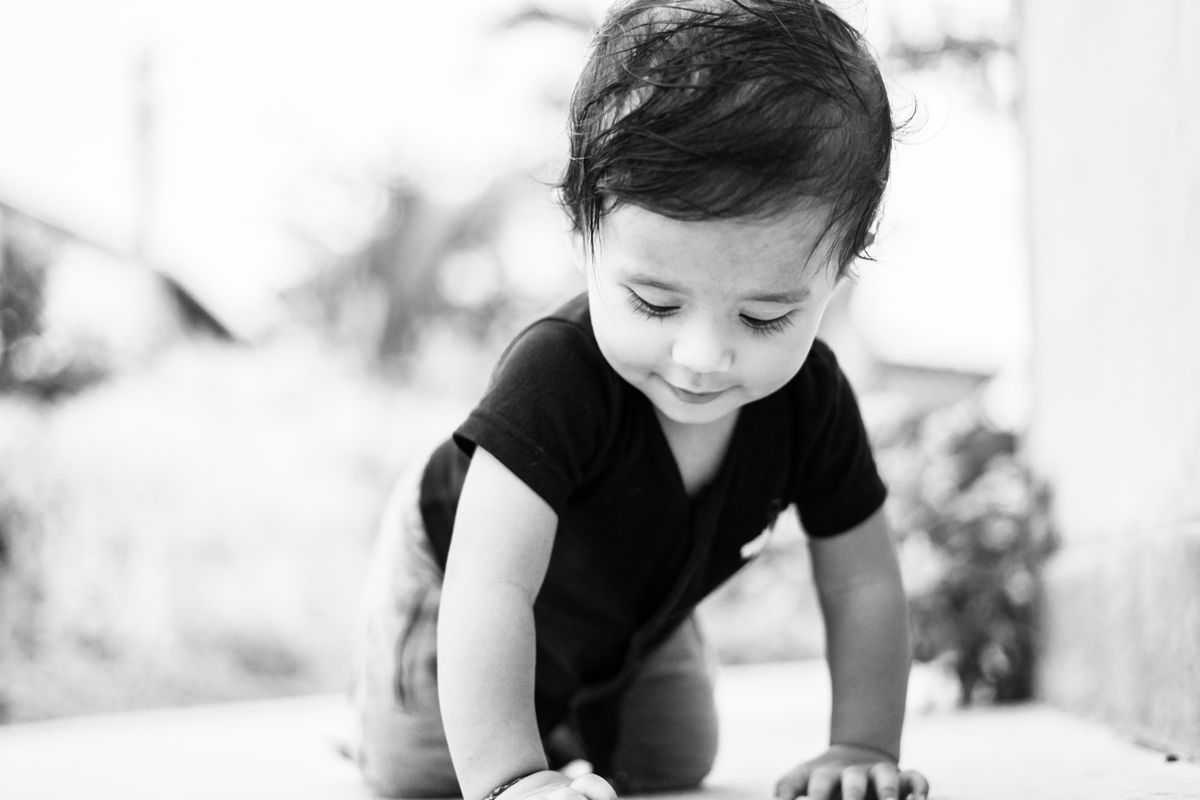
Why Crawling Matters for Your Baby's Development
Crawling is far more than just a way of getting from one place to another. It builds strength and coordination across the whole body, working the muscles of the tummy, back, hips, and shoulders all at once. As your baby shifts their weight from side to side and coordinates opposite arms and legs, they develop the balance, spatial awareness, and core strength that will eventually help them stand and walk confidently.
Beyond physical benefits, crawling supports brain development too. The cross body movement patterns involved in crawling help strengthen connections between the two hemispheres of the brain, which plays a role in language, coordination, and later learning. Researchers have also noted that babies who learn to crawl typically begin walking sooner than those who skip this stage entirely, with some studies suggesting crawlers start walking almost a month earlier on average.
When Do Babies Typically Start Crawling?
Most babies begin crawling somewhere between six and ten months of age, with the average for hands and knees crawling sitting around eight and a half months. That said, every baby is different. Some little ones get moving as early as six months, while others are still content to sit and observe until they are eleven or twelve months old. Both ends of this range can be completely typical, provided your baby is continuing to reach other developmental markers at a similar age.
It helps to think of crawling not as a single moment but as a gradual process that unfolds across several weeks or even months. Long before your baby takes their first proper crawl, you will likely notice a series of preparatory movements that show their body is getting ready.
The Stages Leading Up to Crawling
Rolling and Rocking
Before babies crawl, they practice a range of movements that build the necessary strength and coordination. Rolling from back to tummy and tummy to back is often one of the first signs that your baby is gaining control over their body. From around four to six months, many babies also begin rocking back and forth on all fours, which helps them develop the sense of balance they will need to move forward.
Sitting Independently
Sitting without support, which most babies manage somewhere between six and eight months, strengthens the core muscles that underpin upright movement. Once your baby can sit steadily, they often become more motivated to reach for things slightly beyond their grasp, which naturally encourages them to shift into crawling position.
Pivoting and Commando Crawling
Many babies start moving on their tummies by pivoting in circles or pulling themselves forward with their arms while dragging their legs behind. This is often called army crawling or commando crawling, and it is completely normal. It might look a little different from the classic crawl you have in mind, but it shows your baby is learning to use their limbs with purpose and intention.
Different Styles of Crawling
Not all babies crawl in the same way, and all of the following variations are considered normal milestones in early movement development. Classic hands and knees crawling is the most familiar version, where your baby moves forward by alternating opposite arm and leg. Some babies skip this entirely and go straight from commando crawling to pulling themselves up to stand. Others do a bottom shuffle, pushing themselves along in a seated position using their hands and feet. Bear crawling, where babies move on hands and feet with their knees lifted off the ground, is another common variation. All of these represent your baby finding a way to explore their environment that works for their own body and temperament.
How to Encourage Your Baby to Crawl
Start with Tummy Time from the Beginning
Tummy time is the single most effective thing you can do to prepare your baby for crawling. Placing your baby on their tummy while they are awake and supervised builds the neck, shoulder, and core strength they will need to push up and move. Start with short, frequent sessions from the earliest weeks, and gradually increase the duration as your baby grows stronger and more comfortable.
Create a Safe and Inviting Space to Move
Babies need room to roll, stretch, and eventually crawl. A generously sized, padded surface gives your baby the freedom to explore movement safely. The HelloLoomi Baby Activity Mat (120 x 120 cm in Blue) is designed exactly for this kind of floor play, offering a soft, supportive surface that cushions little hands and knees while keeping your baby comfortable during tummy time and early crawling practice.

Use Motivation to Get Them Moving
Babies are natural explorers, and the best way to encourage movement is to give them something worth moving towards. Place a favourite toy just slightly out of reach while your baby is on their tummy, and let their natural curiosity do the rest. You can also try sitting a short distance away and calling their name gently, which often motivates a baby to move towards a familiar, beloved face.
Offer a Play Gym for Reaching and Grasping
A play gym gives babies the chance to reach overhead, bat at hanging objects, and practice the grasping and coordination skills that feed into broader motor development. The HelloLoomi Wooden Baby Play Gym is a beautifully designed, Viking themed activity frame that grows with your baby from the earliest weeks right through to the crawling stage and beyond. Its natural wooden construction fits beautifully into Scandinavian inspired nurseries that are common across Northern Europe.

Reduce Time in Bouncers and Carriers
While baby carriers, bouncers, and rockers all have their place, extended time in these devices limits the floor time your baby needs to build strength and develop movement. Try to ensure that a portion of each day is spent with your baby on a safe floor surface where they can stretch, reach, and eventually move freely.
What If My Baby Skips Crawling?
Research suggests that around one in ten babies never crawl at all, going directly from sitting or scooting to pulling up to stand and then walking. If your baby skips crawling, it is generally not a cause for alarm on its own. There is no proven connection between skipping crawling and difficulties with learning or development later in childhood.
What matters most is that your baby is finding a way to explore and move, building strength, and reaching other motor milestones at a broadly typical pace. If your baby is happily bottom shuffling their way around the room and meeting other milestones, there is every reason to feel reassured.
When to Speak to Your Doctor or Health Visitor
While there is a wide range of normal when it comes to crawling, there are some signs worth discussing with your paediatrician, general practitioner, or health visitor. Reach out if your baby is not finding any method of movement or independent exploration by around ten to twelve months, if they seem significantly weaker or stiffer on one side of the body compared to the other, if they have stopped doing a skill they had already learned, or if you have a general sense that something feels off about their development.
In the Netherlands, Germany, Belgium, Denmark, Norway, and Sweden, regular developmental check-ups are built into standard child health care. These appointments are a great opportunity to raise any questions you have about motor development with a professional who knows your baby. Trust your instincts as a parent, and do not hesitate to ask if something is on your mind.
Creating a Safe Environment for a Newly Mobile Baby
Once your baby starts crawling, your home will look quite different through their eyes. They will want to explore every corner, and they will move faster than you expect. Get down to floor level yourself to spot potential hazards: exposed cables, small objects that could be swallowed, sharp corners, and unstable furniture are all things to address before your baby becomes mobile.
In many Northern European homes, open plan living spaces with hard floors are common. A soft, padded activity mat becomes even more valuable at this stage, giving your crawling baby a comfortable landing zone and a defined space for play while protecting little knees from harder surfaces.
Celebrating Every Small Step
Crawling is one of the first times your baby truly chooses to move towards the world rather than waiting for the world to come to them. Every pivot, every rock, every army crawl across the rug is a sign of a growing mind and body working hard to master something new. Celebrate it all.
At HelloLoomi, we design products to support every stage of this journey, from the earliest tummy time sessions to confident crawling and beyond. Explore our range of activity mats, play gyms, and nursery essentials to create a warm, safe space where your baby can grow, move, and thrive.
Frequently Asked Questions
When do most babies start crawling?
Most babies begin crawling somewhere between six and ten months of age, with the average for hands and knees crawling around eight to nine months. Some babies start as early as six months, while others do not crawl until closer to twelve months, and both can be completely normal. What matters most is that your baby continues to make progress with other motor milestones during this period.
What if my baby is not crawling at 10 months?
If your baby is not crawling at ten months but is still finding other ways to move and explore, such as rolling, bottom shuffling, or commando crawling, this is generally not a cause for immediate concern. However, if your baby is not moving in any way, seems asymmetrical in their movements, or has lost skills they previously had, it is worth mentioning to your doctor or health visitor at the next check-up or sooner if you are worried.
Is it normal for babies to skip crawling?
Yes, it is completely normal. Around ten percent of babies skip crawling altogether and move directly from sitting or scooting to pulling up and walking. Skipping crawling on its own is not considered a developmental red flag and does not predict difficulties with learning, reading, or coordination later in childhood. Each baby finds the movement style that works best for their body.
How can I encourage my baby to crawl?
The most effective way to encourage crawling is to give your baby plenty of supervised tummy time every day, starting from the early weeks of life. Create a safe, open floor space with a comfortable padded mat where they have room to move. Place interesting toys just out of reach to motivate them to shift and reach, and spend time on the floor with them yourself to make it a fun and social experience.
What is the best surface for a baby learning to crawl?
A padded, non-slip activity mat provides the ideal surface for a baby learning to crawl. It cushions the knees and hands, which can make the crawling motion more comfortable, particularly on hard floors. A mat that is at least 100 by 100 centimetres gives your baby enough room to rock, pivot, and begin moving forward. The HelloLoomi Baby Activity Mat is a popular choice for parents across Northern Europe for exactly this reason.
Does tummy time really help babies learn to crawl?
Yes, tummy time is one of the most important things you can do to prepare your baby for crawling. It strengthens the neck, shoulder, back, and core muscles that your baby needs to push up onto all fours and then move forward. Paediatricians recommend starting tummy time from the first days of life, building gradually from just a few minutes per session to longer stretches as your baby grows stronger and more tolerant of the position.
What is the difference between army crawling and regular crawling?
Army crawling, sometimes called commando crawling, is when a baby pulls themselves forward on their tummy using their arms while dragging their legs behind them. Regular crawling involves lifting the tummy off the floor and moving forward on hands and knees, alternating opposite limbs. Both are normal developmental stages, and some babies army crawl for several weeks before transitioning to hands and knees crawling, while others skip army crawling entirely.


